

3 CEUs
This online course outlines the - relationship between biomechanics and injury for a number of sports: i.e. cycling, cricket, fast bowling and golf.
load more
3 CEUs
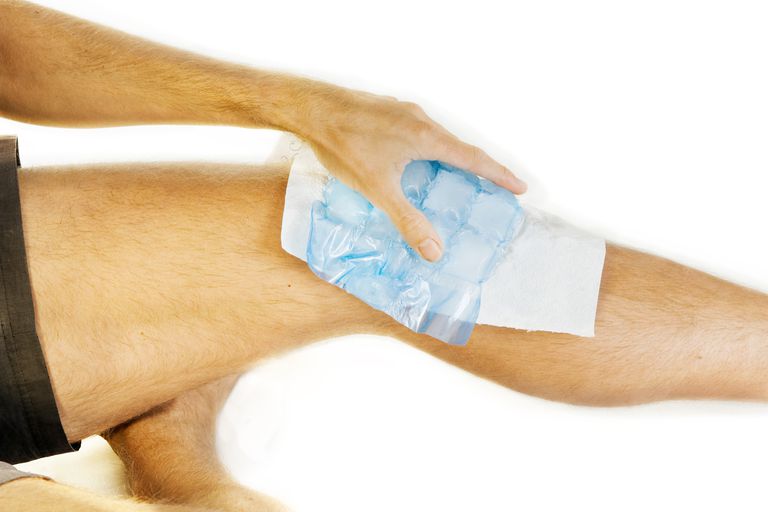
Even in 2019, there is still a lot of confusion and misunderstanding about the simple process of using of ice after an injury or exercise, sometimes called cryotherapy. Some say it's the best thing ever and should be used all the time, others say it's the worst thing ever and never to do it. So, the aim of this article is to see who is more right, or less wrong and decide if using ice is good, bad, or somewhere in-between.
load more
3 Ethics CEUs
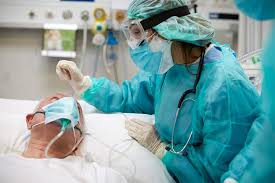
This online course outlines recommendations for physiotherapy management for COVID-19 in the acute hospital setting. It includes: recommendations for physiotherapy workforce planning and preparation; a screening tool for determining requirement for physiotherapy; and recommendations for the selection of physiotherapy treatments and personal protective equipment.
It is intended for use by physiotherapists and other relevant stakeholders in the acute care setting caring for adult patients with confirmed or suspected COVID-19.
load more

3 CEUs
Research relating to the most effective application, mechanism of action and clinical relevance is discussed in three parts, each providing greater insight into the techniques and their application in different circumstances
load more

3 CEUs
This course challenges current clinical models and systems for assessing and managing on-going pain states. It evaluates the current tissue based/modality based paradigm for pain treatment.
A mature organism model is presented as a workable concept incorporating mechanisms of pain into the broad science of stress biology and the biopsychosocial model of pain.
load more

3 CEUs
The etiology of musculoskeletal pain, in particular back pain, is often evaluated from an anatomical and biomechanical standpoint and the influence of external forces (i.e., loading) acting on the spine. What is often missing is the evaluation of internal forces induced by the patient's own musculature.
The stabilizing function of muscles plays a critical and decisive postural role, which in turn is dependent on the quality of central nervous system (CNS) control.
The approach of Kolar to dynamic neuromuscular stabilization (DNS) is a new and unique approach explaining the importance of the neurophysiological principles of the movement system.
The DNS encompasses principles of developmental kinesiology during the first year of the life; these principles define ideal posture, breathing stereotypes, and functional joint centration from a neurodevelopmental paradigm.
DNS presents a critical set of functional tests to analyze the quality of functional stability of the spinal and joint stabilizers and to assist in finding the key link of dysfunction. The treatment approach is based on the ontogenetic global postural-locomotor patterns.
The primary goal of treatment is to optimize distribution of internal forces of the muscles acting on each segment of the spine and/or any other joint.
In the DNS treatment concept, patient education and participation are imperative to reinforce ideal coordination among all stabilizing muscles.
load more
3 CEUs
One of the most rewarding experiences in physiotherapy is to transform a patient's agonising pain into a feeling of comfort, relaxation and hope.
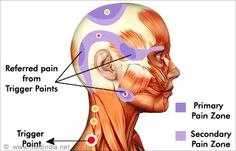
Myofascial pain syndrome is a difficult and frustrating condition. These courses provide insight into all aspects of the condition including some of the latest thinking and research.
They also offer important diagnostic tools and excellent, proven treatment options. For maximum benefit take all six courses offered.
load more

3 CEUs
This online course outlines the - relationship between biomechanics and injury for a number of sports: i.e.. rowing, swimming and tennis.
load more

3 CEUs
The principle of core stability has gained wide acceptance for the prevention of injury in training and as a treatment modality for rehabilitation of various musculoskeletal conditions, in particular of the lower back. There has been surprisingly little criticism of this approach to date.
This article re-examines the original findings and the principles of core stability/spinal stabilisation approaches and how well they fare within the wider knowledge of motor control, prevention of injury and rehabilitation of neuromuscular and musculoskeletal systems following injury.
load more

3 Ethics CEUs
This on-line course provides frequently asked questions regarding ethical considerations of COVID-19 pandemic for Healthcare Providers.
load more