

3 CEUs
The etiology of musculoskeletal pain, in particular back pain, is often evaluated from an anatomical and biomechanical standpoint and the influence of external forces (i.e., loading) acting on the spine. What is often missing is the evaluation of internal forces induced by the patient's own musculature.
The stabilizing function of muscles plays a critical and decisive postural role, which in turn is dependent on the quality of central nervous system (CNS) control.
The approach of Kolar to dynamic neuromuscular stabilization (DNS) is a new and unique approach explaining the importance of the neurophysiological principles of the movement system.
The DNS encompasses principles of developmental kinesiology during the first year of the life; these principles define ideal posture, breathing stereotypes, and functional joint centration from a neurodevelopmental paradigm.
DNS presents a critical set of functional tests to analyze the quality of functional stability of the spinal and joint stabilizers and to assist in finding the key link of dysfunction. The treatment approach is based on the ontogenetic global postural-locomotor patterns.
The primary goal of treatment is to optimize distribution of internal forces of the muscles acting on each segment of the spine and/or any other joint.
In the DNS treatment concept, patient education and participation are imperative to reinforce ideal coordination among all stabilizing muscles.
load more

3 CEUs
What is the best treatment methodology for peripheral neuropathic pain or pain resulting from injury to nerve roots or peripheral nerve trunks?
How best should the symptoms of clinical manifestations of peripheral neuropathic pain be described? This course examines some conservative options for treatment and raises questions about their efficacy. Not all patients, it seems, will respond equally to neurodynamic mobilization techniques and different treatment parameters.
The course will discuss the way in which interventions can be individualized to address the nuances of each patient's presentation of peripheral neuropathic pain.
Part 1 & 2 must be taken together.
load more

3 CEUs
The aim of this course authored by Prof Paul Hodges is to present current understanding of the interaction between movement and pain; as a cause or effect of pain, and in terms of the role of movement (physical activity and exercise) in recovery of pain and restoration of function.
load more

3 Ethics CEUs
Functional MRI of fully awake and unrestrained dog volunteers has been proven an effective tool in understanding the neural circuitry and functioning of the canine brain. Studies show that there exists a striking similarity between dogs and humans in the functioning of the caudate nucleus (associated with pleasure and emotion), and dogs experience positive emotions, empathic-like responses and demonstrate human bonding which, some scientists claim, may be at least comparable with human children.
This article therefore contends that using dogs in invasive and/or harmful research, and toxicity testing, cannot be ethically justifiable.
load more

3 CEUs
-
outline a clinical approach that should maximise your chances of recognising a condition that is 'masquerading' as a sports-related condition
-
describe some of these conditions to illustrate how they can present.
Not every patient who presents to the sport and exercise medicine clinician has a sports-related condition. Sport and exercise medicine has its share of conditions that must not be missed-'red flag' conditions that may appear at first to be rather benign. For example, a patient diagnosed with a minor 'calf strain' may have a deep venous thrombosis or a young basketball player with proximal anterior tibial pain who has been labelled as having Osgood-Schlatter disease may have an osteosarcoma or giant cell tumour of the proximal tibia.
In this online course we:
load more
3 CEUs
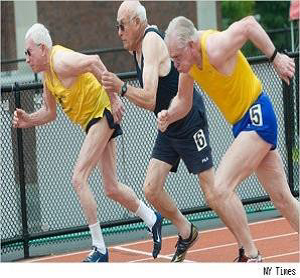
Does physical activity have an impact on the quality of life of the elderly?
What if the individual only takes up physical activity later in life?
Previous studies have examined the effects of mid-life physical activity on healthy ageing, but not the effects of taking up activity later in life.
This on-line course examines the association between physical activity and healthy ageing over 8 years of follow-up for a group of individuals aged at around 63 years at the start of the study.
load more

3 Ethics CEUs
The ethics of the placebo: nothing to do with you.? Right? Because placebos are used only in research situations, right?
Wrong. Placebos are increasingly being used in clinical practice. Indeed, in some instances, use of placebo could even be a moral imperative. However, their use often places the practitioner in a difficult ethical position. Doesn't using placebo mean you have to lie to your patient?
This course offers guidelines for using the placebo in your practice.
load more

3 CEUs
Return-to-play (RTP) decisions can be difficult and complex. The clinician is expected to provide an opinion based on a large number of factors including the history of the injury, physical examination, type of injury, rehabilitation, type of activity, psychological state, competitive level and ability to protect the injury.
Further, these decisions do not occur in a vacuum. The athlete may receive advice from family, friends, coaches, other clinicians and, in the case of elite athletes, agents. Because determining prognosis is difficult and frequently subjective, some disagreements regarding RTP will always occur. Differing sociocultural and clinical perspectives of the medical doctor, coach, athlete and others lead to a high potential for conflict. Apart from being challenging and an unpleasant experience, such conflicts are believed to lead to a number of negative scenarios.
load more

3 Ethics CEUs
-
identify the main principles of research ethics.
-
know how to balance research and clinical care.
-
satisfy the requirements of ethics review committees.
After working through this on-line course you should be able to:
load more

3 CEUs
One of the most rewarding experiences in physiotherapy is to transform a patient's agonising pain into a feeling of comfort, relaxation and hope.
Myofascial pain syndrome is a difficult and frustrating condition. These courses provide insight into all aspects of the condition including some of the latest thinking and research.
They also offer important diagnostic tools and excellent, proven treatment options. For maximum benefit take all six courses offered.
load more