

3 CEUs
This on-line course provides the practitioner with invaluable insight into how MET can be used across a range of conditions. These include myofascial pain and fibromyalgia.
It also describes what happens in the muscles during MET techniques, and explains how MET can be used to treat joint pathologies and post-treatment discomfort. And there's more, you'll learn more about the evaluation of muscle shortness, and use of MET and stretching.
load more

3 CEUs
Can Physiotherapy be used to manage adult Complex Regional Pain Syndrome Type One?
A Systematic literature review is used in an attempt to clarify this issue. Some of the findings may be surprising. In fact, no evidence was found to support treatments frequently recommended in clinical guidelines for treatment of pain in adult CRPS-1 patients.
load more
3 CEUs
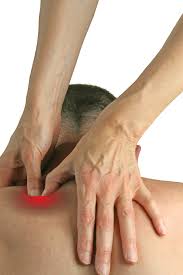
One of the most rewarding experiences in physiotherapy is to transform a patient's agonising pain into a feeling of comfort, relaxation and hope.
Myofascial pain syndrome is a difficult and frustrating condition. These courses provide insight into all aspects of the condition including some of the latest thinking and research.
They also offer important diagnostic tools and excellent, proven treatment options. For maximum benefit take all six courses offered.
load more

3 CEUs
Management of chronic low back pain and leg pain requires a multifactorial approach. Low back pain can be difficult to treat as the clinician not only has to identify the underlying causative factors to restore homeostasis to the system, but also has to ensure that the treatment does not unnecessarily exacerbate the symptoms.
The aim of treatment is to increase the active control of the passively unstable and associated areas so that the patient can operate within an increased envelope of function, and with minimised symptom recurrences.
The training must be simple, requiring minimal equipment so that it is readily accessible to the individual and can be practised frequently. As chronic problems are never cured, only managed, therapists and patients must manage the symptoms over the long term.
load more

3 CEUs
This course should be taken with part 2 as it is one course.
Knowledge about specific physiologic characteristics, management of orthopaedic conditions, injury prevention guidelines, and information regarding non-orthopaedic concerns is imperative to all individuals involved in the healthcare of young athletes.
load more
3 CEUs
-
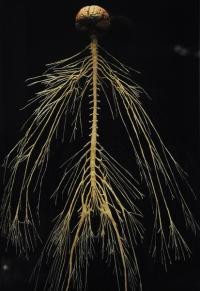
General layout of the nervous system in relation to the musculoskeletal system;
-
Tension, sliding and compression as a mechanical function of the nervous system;
-
How nerves move and nervous system responses to movement;
-
Nervous system physiology; and
-
Neurodynamics sequencing.
These correspondence courses will provide you with practical information on the concept of neurodynamics;
The information provided will assist you with the clinical reasoning for treatment of a patient with neural tissue pain disorders.
load more

3 CEUs
This course should be taken with part 1 as it is one course.
Knowledge about specific physiologic characteristics, management of orthopaedic conditions, injury prevention guidelines, and information regarding non-orthopaedic concerns is imperative to all individuals involved in the healthcare of young athletes.
load more

3 CEUs
- gastrocnemius and soleus
- medial hamstrings
- adductors (pectineus, adductors brevis, magnus and longus) short and long adductors
This illustrated on-line course covers the assessment, interpretation and treatment of the following short/tight muscles:
load more

3 CEUs
One of the most rewarding experiences in physiotherapy is to transform a patient's agonising pain into a feeling of comfort, relaxation and hope.
Myofascial pain syndrome is a difficult and frustrating condition. These courses provide insight into all aspects of the condition including some of the latest thinking and research.
They also offer important diagnostic tools and excellent, proven treatment options. For maximum benefit take all six courses offered.
load more
3 CEUs
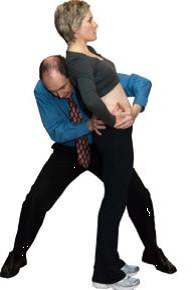
Low back pain is a common disabling disorder that affects almost every individual at least once in their life time.
This on-line course provides insight into several treatment techniques that can be applied to spinal pain patients through the use of clinical examples.
This course reflects on the possible role that this methodology can play within a constantly changing physiotherapy practice.
load more