

3 CEUs
Exercise is an integral part of the rehabilitation of patients suffering a variety of chronic musculoskeletal conditions. Regular physical activity is recommended for the treatment of chronic pain and its effectiveness has been established in clinical trials for people with a variety of pain conditions. However, exercise can also increase pain making participation in rehabilitation challenging for the person with pain.
This review explores and discusses current evidence on central mechanisms underlying exercised-induced pain and analgesia.
load more

3 CEUs
The etiology of musculoskeletal pain, in particular back pain, is often evaluated from an anatomical and biomechanical standpoint and the influence of external forces (i.e., loading) acting on the spine. What is often missing is the evaluation of internal forces induced by the patient's own musculature.
The stabilizing function of muscles plays a critical and decisive postural role, which in turn is dependent on the quality of central nervous system (CNS) control.
The approach of Kolar to dynamic neuromuscular stabilization (DNS) is a new and unique approach explaining the importance of the neurophysiological principles of the movement system.
The DNS encompasses principles of developmental kinesiology during the first year of the life; these principles define ideal posture, breathing stereotypes, and functional joint centration from a neurodevelopmental paradigm.
DNS presents a critical set of functional tests to analyze the quality of functional stability of the spinal and joint stabilizers and to assist in finding the key link of dysfunction. The treatment approach is based on the ontogenetic global postural-locomotor patterns.
The primary goal of treatment is to optimize distribution of internal forces of the muscles acting on each segment of the spine and/or any other joint.
In the DNS treatment concept, patient education and participation are imperative to reinforce ideal coordination among all stabilizing muscles.
load more

3 CEUs
What is the best treatment methodology for peripheral neuropathic pain or pain resulting from injury to nerve roots or peripheral nerve trunks
How best should the symptoms of clinical manifestations of peripheral neuropathic pain be described? This course examines some conservative options for treatment and raises questions about their efficacy. Not all patients, it seems, will respond equally to neurodynamic mobilization techniques and different treatment parameters.
The course will discuss the way in which interventions can be individualized to address the nuances of each patient's presentation of peripheral neuropathic pain.
Part 1 & 2 must be taken together.
load more

3 CEUs
Which is the best way to move or assist stroke patients? Are you still using the pivot assisted transfer method? Isn't that physically dangerous? And if so, what should you do?
This on-line course looks at the controversy surrounding handling techniques for patients requiring neurological rehabilitation.
load more

3 CEUs
Previously, outpatient Yoga programs for patients with chronic low back pain (CLBP) lasting several months have been found to reduce pain, analgesic requirement and disability, and improve spinal mobility.
This study evaluated changes in pain, anxiety, depression and spinal mobility for chronic LBP patients on short-term, residential Yoga and physical exercise programs, including comprehensive yoga lifestyle modifications.
load more

3 Ethics CEUs
-
Sexual harassment
-
Drug abuse by professionals
-
Fraud
This online course will discuss the following subjects:
load more

3 CEUs
Initial brain imaging studies on recovery of motor functioning after stroke suggested their potential prognostic value in neurorehabilitation. In this clinical commentary, we propose that advances in the field of neuroimaging have relevance for the future development of neuropsychological rehabilitation.
Neuropsychological rehabilitation is entering a new era that involves collaboration with neuroimaging and associated studies on neuroplasticity.
We recognize that this may seem aspirational rather than practical in most rehabilitation settings. However, we provide examples of how this can be achieved as illustrated by collaborative efforts of clinicians and scientists in the SARAH Network of Rehabilitation Hospitals in Brazil.
We also review selective papers on neuroplasticity, spontaneous recovery and diaschisis that have relevance for research which will expand and further develop the field of neuropsychological rehabilitation.
load more
3 CEUs
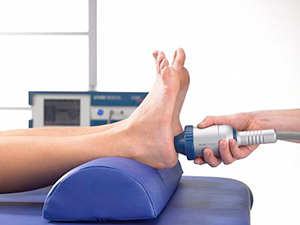
Background: Plantar fasciitis is the most common cause of heel pain. It may remain symptomatic despite conservative treatment with orthoses and analgesia. There is conflicting evidence concerning the role of extracorporeal shock wave therapy (ESWT) in the management of this condition.
Questions/purposes: We investigated whether there was a significant difference in the change of
(1) VAS scores and
(2) Roles and Maudsley scores from baseline when treated with ESWT and placebo.
Specifically we compared overall improvement from baseline composite VAS, reduction in overall VAS pain, success rate of improving overall VAS pain by 60%, success rate of improving VAS pain by 60% when taking first steps, doing daily activities, and during application of a pain pressure meter.
Conclusions: ESWT is a safe and effective treatment of chronic plantar fasciitis refractory to nonoperative treatments. Improved pain scores with the use of ESWT were evident 12 weeks after treatment.
The evidence suggests this improvement is maintained for up to 12 months. We recommend the use of ESWT for patients with substantial heel pain despite a minimum of 3 months of nonoperative treatment.
load more
3 CEUs
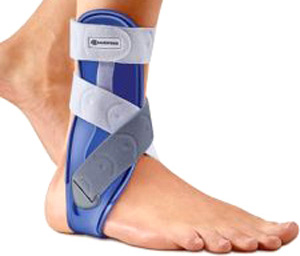
What is said to be the most common sport injury? Which of the many different sports injuries is most likely to recur? Answer: Ankle injuries.
Is there anything you can do to reduce the pain, improve the function and prevent recurrence of a sprained ankle or should you just tell your patient to let the natural recovery process take its course?
This two part course provides valuable answers to these important questions.
load more

3 CEUs
Objective: Examine the effectiveness of specific modes of exercise training in non-specific chronic low back pain (NSCLBP).
Summary/conclusion: There is low quality evidence that Pilates, stabilisation/motor control, resistance training and aerobic exercise training are the most effective treatments, pending outcome of interest, for adults with NSCLBP. Exercise training may also be more effective than therapist hands-on treatment.
load more