
3 Ethics CEUs
Please read only the introduction and then go to page 99, theme 1: responsive onwards.
Qualities of a physiotherapist may influence the therapeutic alliance, physiotherapy outcomes and has potentially profound implications for the future practice of physiotherapy.
Six qualities of a ‘good’ musculoskeletal physiotherapist were identified as: responsive, ethical, communicative, caring, competent, and collaborative.
load more
3 CEUs
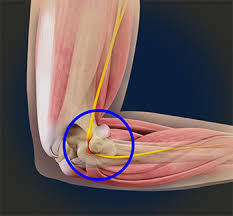
As therapists, we have an extensive list of protocols to return our athletes to play, but the biggest determining factor to get them back on the field or court is pain. Even if all the tests indicate that they are ready, they won’t be able to play if they report pain when executing certain movements required in their sport.
load more

3 CEUs
-
Define who a physical therapist/physiotherapist (PT) is in terms of professional responsibilities and functional out- comes addressed in client management.
-
List at least three skills NDT education enhances in the professional skills of PTs.
-
Analyze a physical therapy outcome with a specific participation or activity of a client in the reader’s own practice using the NDT Practice Model.
The online course discusses the Neuro-Developmental Treatment (NDT) Practice Model and its influences on the profession follow, along with specific examples of problem solving and decision making using commonly addressed activities and participation that physiotherapists (PTs) encounter.
Upon completing this online course, the reader will be able to do the following:
load more
3 CEUs
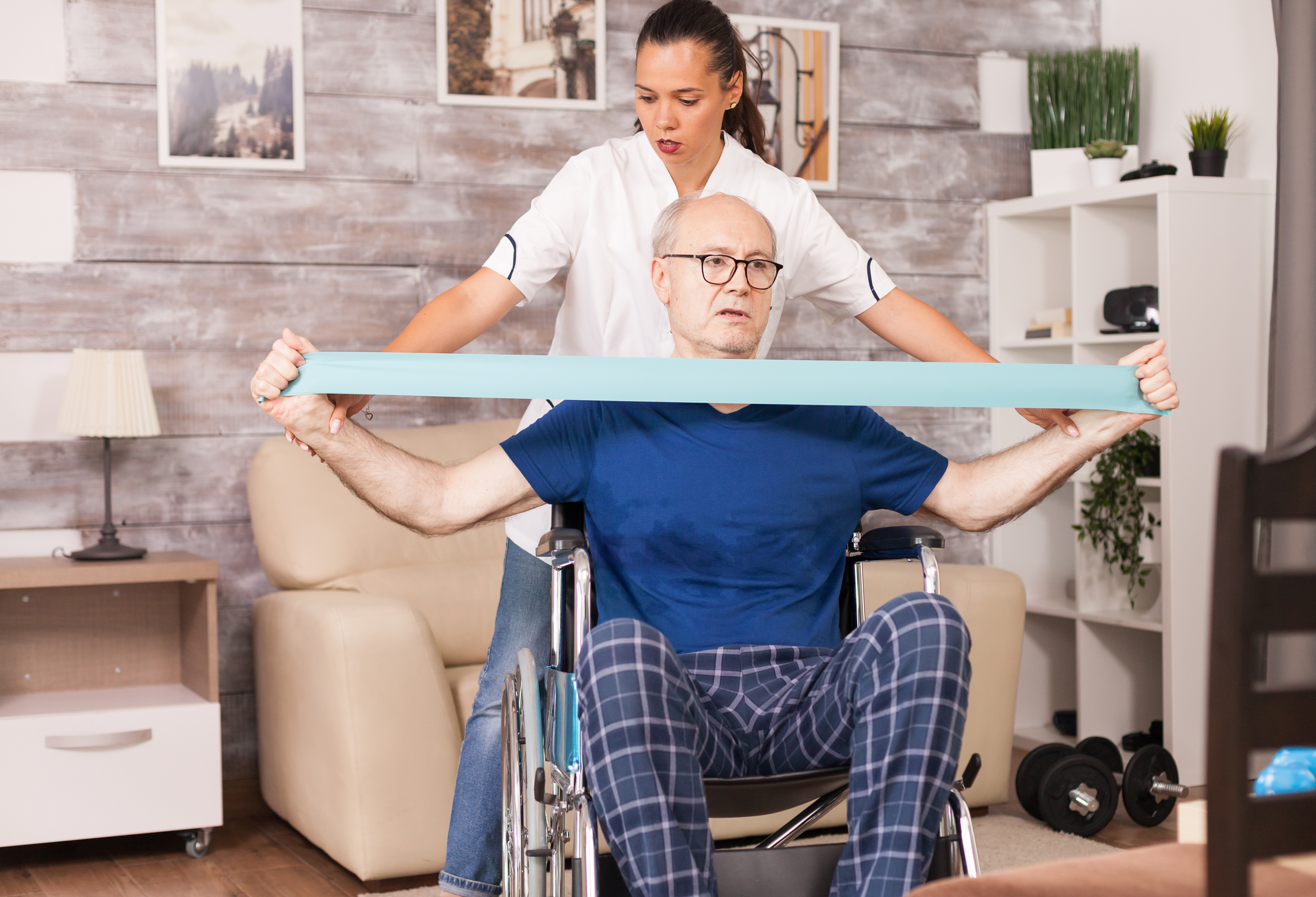
This online article describes a variety of motor learning principles and strategies which are based upon evidence in clinical situations. The evidence is a demonstrating neural drive alternations. A sound clinical reasoning is required for physiotherapists. There are indications for the PNF-concept to be within the guidelines for stroke rehabilitation.
Two case studies are described to illustrate the application of PNF-based motor learning interventions.
load more
3 CEUs
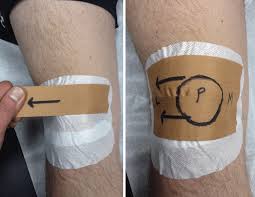
Clinical and research findings confirm that the pain associated with PFPS is significantly reduced with patellar taping.
There is evidence to suggest that patellar tape improves patella alignment (measured radiographically) and quadriceps function (torque production and extensor moments).
This paper critically reviews the studies that have examined the effects of patellar taping and makes informed recommendations for further research and clinical practice.
load more
- New
3 CEUs
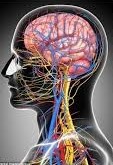
Childhood adversity is associated with a host of mental and physical health problems across the lifespan. Individuals who have experienced childhood adversity (e.g., child abuse and neglect, family conflict, poor parent/child relationships, low socioeconomic status or extreme poverty) are at a greater risk for morbidity and premature mortality than those not exposed to childhood adversity.
Several mechanisms likely contribute to the relationship between childhood adversity and health across the lifespan (e.g., health behaviors, cardiovascular reactivity). In this paper, we review a large body of research within the field of psychoneuroimmunology, demonstrating the relationship between early life stress and alterations of the immune system.
We first review the literature demonstrating that childhood adversity is associated with immune dysregulation across different indices, including proinflammatory cytokine production (and its impact on telomere length), illness and infection susceptibility, latent herpesvirus reactivation, and immune response to a tumor. We then summarize the growing literature on how childhood adversity may alter epigenetic processes.
load more
- New
3 CEUs
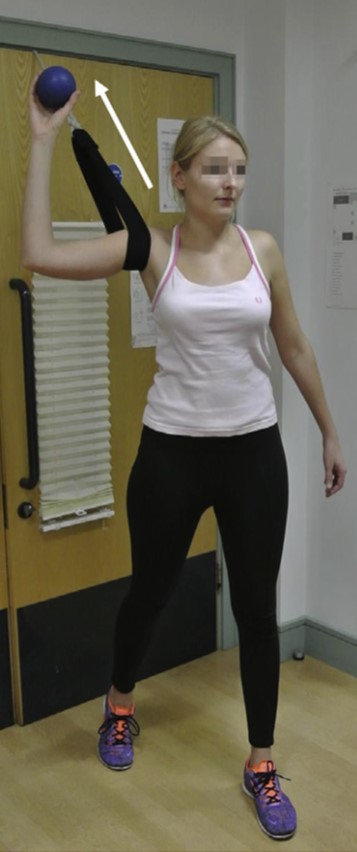
Rotator cuff related shoulder pain (RCRSP) is an over-arching term that encompasses a spectrum of shoulder conditions including; subacromial pain (impingement) syndrome, rotator cuff tendinopathy, and symptomatic partial and full thickness rotator cuff tears.
Considerable deficits in our understanding of RCRSP persist. These include; (i) cause and source of symptoms, (ii) establishing a definitive diagnosis, (iii) establishing the epidemiology of symptomatic RCRSP, (iv) knowing which tissues or systems to target intervention, and (v) which interventions are most effective.
The aim of this masterclass is to address a number of these areas of uncertainty and it will focus on; (i) RC function, (ii) symptoms, (iii) aetiology, (iv) assessment and management, (v) imaging, and (vi) uncertainties associated with surgery.
load more

3 CEUs
The purpose of this study was to identify if a group-based hybrid injury prevention program utilizing key factors from previous research with the addition of an individualized approach can modify the injury risk category of athletes.
A preseason, group injury prevention training program with individually prescribed corrective exercises, resulted in a significant number of subjects decreasing their injury risk category. The primary statistically significant decrease of injury risk category was seen in the Moderate Risk individuals moving down to Slight. There were three athletes that moved from the Substantial Risk category to Slight, however, this change was not statistically significant.
Key Words: Movement system, injury prevention training program, risk category,
load more
3 CEUs
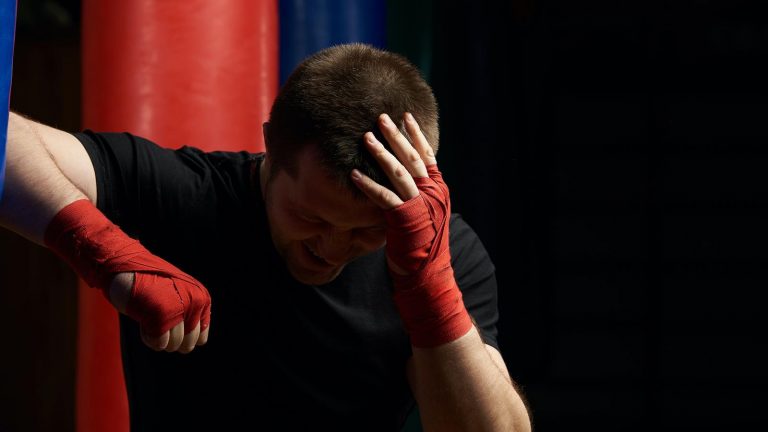
For over two decades, the Concussion in Sport Group has held meetings and developed five international statements on concussion in sport. This 6th statement summarises the processes and outcomes of the 6th International Conference on Concussion in Sport held in Amsterdam on 27–30 October 2022.
load more

3 CEUs
-
Is it possible to quantify tendon loads in rehabilitation?
-
What is the best approach to managing patellar tendinopathy in-season?
-
Can patellar tendinopathy be better managed in the elite athlete?
This article written by Prof Jill Cook will cover the following:
load more