

3 Ethics CEUs
-
Whistle-blowing
-
Family violence
-
Reporting child abuse
-
Reporting elder abuse
This online teaching will discuss the following issues:
load more

3 CEUs
Did you know that ankle injury is arguably the most common sport injury? And did you know that a sprained ankle also has a high frequency of recurrence?
Is there anything you can do to reduce the pain and improve the function of a sprained ankle or should you just tell your patient to let the natural recovery process take its course?
Two case studies described in this on-line course demonstrate approaches that provide rapid and significant improvement and provoke some interesting food for thought.
load more

3 Ethics CEUs
Brain-dead, mechanically ventilated patients are considered to be biologically dead. However, these unfortunate patients appear to be alive as a result of the fact that mechanical ventilation ensures that their heart continues to beat, that their skin remains warm, that their wounds continue to heal, that their body does not decay, and (of course) that they continue to breathe. This emotional and ethical scenario is discussed here.
*Fast track = fast track your learning with our short online courses
load more

3 CEUs
The importance of physical activity is proven. Exercise has preventive and therapeutic health benefits. Yet the vast majority of people in the developed world choose to remain inactive. The prevalence of chronic diseases contributed to by physical inactivity is escalating so rapidly that their costs will exceed $1 trillion in the United States in the next decade!
More alarming, there are 250 000 deaths annually in the United States directly attributable to physical inactivity. Despite these distressing data, most physicians and health providers miss many opportunities to prescribe exercise when treating chronic diseases such as obesity, diabetes, and cardiovascular disease. Solutions for these issues will be discussed.
*Fast track = fast track your learning with our short online courses
load more

3 Ethics CEUs
This on-line course will discuss the issue of whether it really would be desirable to increase our lifespan, cognitive power, physical strength (etc.), above and beyond that which we currently consider to be healthy or normal.
*Fast track = fast track your learning with our short online courses
load more

3 CEUs
Pages 1 - 6.
The list of diseases with a known inflammatory etiology is growing. Cardiovascular disease, osteoporosis, diabetes, geriatric cachexia, and Alzheimer's disease have all been shown to be linked to, or exacerbated by, aberrantly regulated inflammatory processes.
Nevertheless, there is mounting evidence that those who are physically active, or who become physically active, have a reduction in biomarkers associated with chronic inflammation. With few exceptions, the anti-inflammatory effects of exercise appear to occur regardless of age or the presence of chronic diseases.
load more
3 CEUs
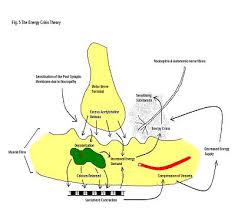
One of the most rewarding experiences in physiotherapy is to transform a patient's agonising pain into a feeling of comfort, relaxation and hope.
Myofascial pain syndrome is a difficult and frustrating condition. These courses provide insight into all aspects of the condition including some of the latest thinking and research.
They also offer important diagnostic tools and excellent, proven treatment options. For maximum benefit take all six courses offered.
load more

3 CEUs
Background: While static stretch (SS), proprioceptive neuromuscular facilitation (PNF) and oscillatory physiological mobilization techniques are documented to have positive effects on a range of motion, there are no reports on the effect of dynamic oscillatory stretching (DOS), a technique that combines these three techniques, on hamstring extensibility.
Purpose: To determine whether DOS improves hamstring extensibility and stretch tolerance to a greater degree than SS in asymptomatic young participants.
Methods: Sixty participants (47 females, 13 males, mean age 22,1 years, height 166,6 centimeters, body mass 67.6 - 69.7 kg) completed a passive straight leg (SLR) to establish hamstring extensibility and stretch tolerance as perceived by participants using a visual analogue scale (VAS). Participants were randomly assigned to one of two treatment groups (SS or DOS) or a placebo control (20 per group). Tests were repeated immediately following and one hour after each intervention.
Results: Immediately post-intervention, there was a significant improvement in the hamstring extensibility as measured by the SLR in both the SS and DOS groups, with the DOS group exhibiting a significantly greater increase than the SS group. One hour post-intervention, hamstring extensibility in the DOS group remained elevated, while the SS group no longer differed from the control group. Furthermore, the stretch tolerance remained significantly elevated for the SS group, but there was no difference between the control and DOS groups.
Conclusion: DOS was more effective than SS at achieving an immediate increase in hamstring extensibility, and DOS demonstrated an increased stretch tolerance one-hour post-intervention.
load more

3 CEUs
Research relating to the most effective application, mechanism of action and clinical relevance is discussed in three parts, each providing greater insight into the techniques and their application in different circumstances
load more

3 Ethics CEUs
On 24 July 2017, the long-running, deeply tragic and emotionally fraught case of Charlie Gard reached its sad conclusion. Following further medical assessment of the infant, Charlie's parents and doctors finally reached agreement that continuing medical treatment was not in Charlie's best interests. Life support was subsequently withdrawn, and Charlie died on 28 July 2017. Ethical issues related to the case are considered.
*Fast track = fast track your learning with our short online courses
load more