
3 CEUs
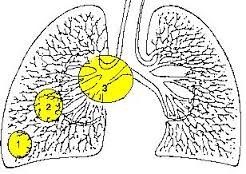
Described by Jean Chevaillier in 1967, autogenic drainage is widely used throughout Europe. This paper describes the technique which is based on Chevaillier's work; and offers a physiological explanation for how it works. This course also reviews the evidence supporting the use of autogenic drainage.
load more

3 CEUs
Background: Physiotherapy is a commonly prescribed intervention for people with Parkinson's disease (PD). Conventional types of physiotherapy have been studied extensively, while novel modalities are being developed and evaluated.
Objective: To evaluate the effectiveness of conventional and more recent physiotherapy interventions for people with PD.
Conclusions: This meta-analysis provides a comprehensive overview of the evidence for the effectiveness of different physiotherapy interventions in the management of PD, allowing clinicians and patients to make an evidence-based decision for specific treatment modalities.
Further work is needed to directly compare the relative efficacy of the various treatments.
load more
3 CEUs
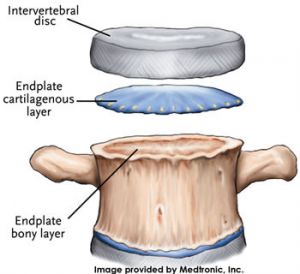
The ability of MRI to assess marrow signal alterations has enabled more detailed evaluation of vertebral endplate changes, which can be independently associated with back pain.
Although mechanical and/or inflammatory etiologies have been traditionally proposed, recent studies raise the question of an indolent infectious etiology, making accurate assessment of vertebral endplate changes by the radiologist increasingly important in determining appropriate treatment options.
load more

3 CEUs
-
Musculoskeletal pain in relation to central and peripheral pain mechanisms, the immune system and affective aspects of pain. This course focuses on these three mechanisms as these systems may respond differently to painful stimulus, compared with a non-painful stimulus;
-
Then, the proposed mechanisms behind the potentially additional beneficial effect of allowing painful exercises over pain free exercises for individuals with chronic musculoskeletal pain.
Chronic musculoskeletal pain remains a huge challenge for clinicians and researchers. Exercise interventions are the cornerstone of management for musculoskeletal pain conditions, with the benefits being well-established.
The need for pain to be avoided or alleviated as much as possible has been challenged, with a paradigm shift from traditional biomedical models of pain towards a biopsychosocial model of pain, which is particularly relevant in the context of performing therapeutic exercise.
The aim of this article is to provide an understanding on the potential mechanisms behind exercise and to build on this into discussing the additional theoretical mechanisms of painful exercises.
This online course provides an overview of the current understanding of:
load more

3 CEUs
The backbone of this workbook might be the most important section. Key messages are ideally delivered at the right time to the right person. They help patients reconceptualize pain, change their beliefs about pain and facilitate healthy behaviours to help with pain.
This section could be printed in its entirety, or any individual page could be printed on each patient visit and viewed as a standalone infographic.
load more

3 CEUs
How should you treat elite athletes who present to you with complex pathology (muscle dysfunction, strength and flexibility components and underlying joint dysfunction) and a prolonged history of unsatisfactory previous treatment?
This on-line course provides effective solutions for the rapid resolution of chronic, complex groin and thigh pain involving local myofascial injury with associated joint dysfunction.
load more

3 CEUs
While paediatric cancer represents only a small proportion of childhood illness, it remains the second most common cause of death behind trauma in children aged 1-14 years.
This course will equip you with a working knowledge of the common clinical presentations of paediatric malignancies and an understanding of the principles of diagnosis and management of cancer in children.
load more

3 Ethics CEUs
There are many ethical dilemmas that are unique to sports medicine because of the unusual clinical environment of caring for players within the context of a team whose primary objective is to win. Sports doctors and health care providers are frequently under intense pressure, whether implicit or explicit, from management, coaches, trainers and agents, to improve the performance of the athlete in the short term rather than consider the long-term sequelae of such decisions.
In this course, a number of ethical principles and how they relate to sports medicine are discussed. A list of guidelines has been drawn up to offer some support to doctors and health care providers facing an ethical dilemma, the most important of which is do not hand over your responsibility to the individual player.
load more

3 CEUs
Purpose: To identify the main characteristics, based on available evidence, of stabilizer muscles to inform the development of a definition of stabilizer muscles. The highest number of articles providing supporting evidence that a particular muscle characteristic plays a stabilizing role related to biomechanical characteristics (27 articles), followed by neurological characteristics (22 articles) and anatomical/physiological characteristics (4 articles).
Conclusion: Based on a synthesis of supporting evidence from the literature, stabilizer muscles can be defined as muscles that contribute to joint stiffness by co-contraction and show an early onset of activation in response to perturbation via either a feed-forward or a feedback control mechanism.
These results may guide researchers to investigate which muscles exhibit these characteristics to determine whether particular muscles have a stabilizer rather than a prime mover role during normal functioning.
load more

3 CEUs
Prediction of voluntary upper extremity (UE) movement recovery is largely unknown in patients with little voluntary UE movement at admission.
The present study aimed to investigate
(1) the extent and variation of voluntary UE movement recovery, and
(2) the best predictive model of the recovery of voluntary UE movement by clinical variables in patients with severe UE paresis.
load more