

3 CEUs
The first 5 years of life are the most vital when considering the development of a child's nervous system. In part one of this course, you will be provided with all tools necessary to complete a detailed history and examination of your young patients and an explanation of how these assessments relate to development later in life.
This course is essential for anyone wanting to be an expert in the field of paediatrics.
Part 2 focuses on common pathologies affecting children. You will learn about the different types of headaches (from migraines to headaches caused by pathology or trauma) that affect young children, how they present and how you can help. Part 2 also covers neurocutaneous syndromes like neurofibromatosis, tuberous sclerosis and Sturge-Weber syndrome, Myasthenia gravis and spinal cord injury.
This course is essential for anyone wanting to be an expert in the field of paediatrics.
In part 3, you will learn about more pathologies such as peripheral nerve injury, Tourette syndrome, neurological infection, the presentation and meaning of abnormal muscle strength reflexes, and how to assess and understand the implications of abnormal head growth. Part 3 also explores in detail cerebral palsy, vertigo, floppy infant syndrome, seizures and brain tumours.
load more
3 CEUs
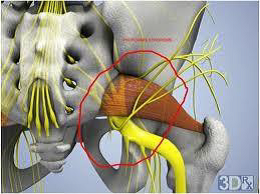
The purpose of this course is to introduce alternative treatment approach for piriformis syndrome using a hip muscle strengthening programme with movement re-education. Interventions for piriformis syndrome typically consist of stretching, dry needling and/or soft tissue massage to the piriformis muscle.
However, this case study highlights an alternative view of the pathomechanics of piriformis syndrome and proposes an effective different treatment approach.
load more
3 CEUs
-
Dry needling of the hip muscle
-
Gluteus maximus muscle
-
Gluteus medius muscle
-
Gluteus minimus muscle
-
Tenor fascia latae muscle
-
Obturator externus muscles
-
Quadratus femoris muscle
This illustrated Dry Needling online course covers the clinical relevance of trigger points in syndromes related to the hip.
Illustration and needling instructions of Dry Needling techniques for the following hip muscles are provided:
Their anatomy, function, innervation and contra-indications for Dry Needling are also included.
Introduction to Dynamic Oscillatory Stretching (DOS) for myofascial syndrome are included.
load more
3 CEUs
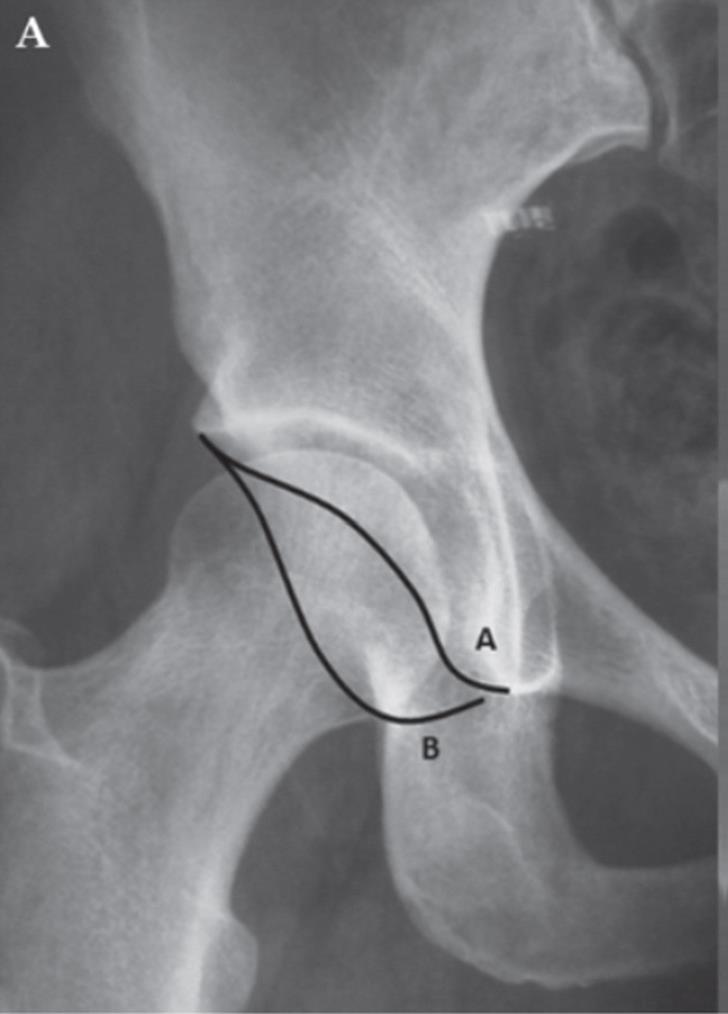
History and physical examination can be useful to classify young active individuals with non-arthritic intra-articular hip pathology as having impingement or instability.
However, the specific type of deformity leading to symptoms may not be apparent from this evaluation. Several radiological indexes have been described in the literature for individuals with non-arthritic hip pathology.
This course outlines the clinical indications, methods, and interpretation of hip radiological images as it relates to physical examination findings for those with non-arthritic hip pathology.
load more

3 CEUs
BACKGROUND: The improvement of the upper limb disability, which is mainly caused by stroke, is still one of the rehabilitation treatment challenges. However, the effectiveness of task-based mirror therapy (TBMT) on subacute stroke with moderate and severe upper limb impairment has not been deeply explored.
AIM: The purpose of this study was to investigate the effects of TBMT, in comparison to occupational therapy, in moderate and severe upper limb impairment by analyzing the motor function and activities of daily living in subacute stroke patients.
CONCLUSIONS: This study shows that the combination of conventional rehabilitation treatment and TBMT is an effective way to improve the functional recovery in the upper limb stroke patients.
CLINICAL REHABILITATION IMPACT: TBMT is a therapeutic technique that can be used in subacute stroke patients with moderate and severe upper limb impairment.
load more
3 CEUs
Chronic musculoskeletal pain (CMP) refers to ongoing pain felt in the bones, joints and tissues of the body that persists longer than 3 months. For these conditions, it is widely accepted that secondary pathologies or the consequences of persistent pain, including fear of movement, pain catastrophizing, anxiety and nervous system sensitization appear to be the main contributors to pain and disability.
While exercise is a primary treatment modality for CMP, the intent is often to improve physical function with less attention to secondary pathologies. Exercise interventions for CMP which address secondary pathologies align with contemporary pain rehabilitation practices and have greater potential to improve patient outcomes above exercise alone.
Biopsychosocial treatment which acknowledges and addresses the biological, psychological and social contributions to pain and disability is currently seen as the most efficacious approach to chronic pain. This clinical update discusses key aspects of a biopsychosocial approach concerning exercise prescription for CMP and considers both patient needs and clinician competencies.
load more
- Video

-
To understand the correlation between normal anatomy and shadows on the chest X-ray.
-
To be able to interpret chest X-ray presentation.
-
To recognize normal and abnormal presentation of the following structures:
-
Cardiac silhouette and mediastinum.
-
Diaphragm, pleura.
-
Effusions.
-
Lungs.
-
Lines, tubes, devices and surgeries.
The aims of this video course are:
3 CEUs
-
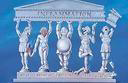
How dietary recommendations help reduce systematic inflammation;
-
The effect of injury on energy and protein requirements;
-
What happens to patient outcome and athletic performance when the metabolism is supported with the right macro nutrients; and
-
Bio availability of different mineral sources.
Discover:
load more

3 CEUs
Until recently, the hip joint was not thought to be a significant cause of problems in the athletic population. Now, thanks to MRI, and hip arthroscopy we have been able to learn more about some of the common underlying causes of groin pain. These will be covered in part one and two of this course.
Part 3 covers the clinical assessment and treatment of labral tears, ligamentum teres tears, synovitis, chondropathy, surgical management, os acetabulare and lateral hip pain.
This on-line course includes ample photos of exercises for hip rehabilitation.
load more

3 Ethics CEUs
Restraints of trade are often a hot topic across all professions and are important for both employers and employees to take note of. Before you sign a restraint of trade agreement read this on-line course carefully and consult with a lawyer if there's anything that makes you feel uncomfortable.
*Fast track = fast track your learning with our short online courses
load more