

3 CEUs
This online course examines the current evidence base and best clinical practice in the area of airway clearance.
Mechanical devices such as the flutter valves, positive end expiratory pressure and high frequency chest wall oscillation may be able to provide the benefits of improved airway clearance in the patient's home potentially with reduced demands on healthcare resources.
load more

3 CEUs
The management of pain in persons with neurological injuries is challenging and complex. A holistic view and clinical approach are necessary when addressing pain in patients with neurological impairment because interpreting signs and symptoms and deciphering sources of pain is never a straightforward process.
This problem is further magnified with the management of central pain syndromes. The best approach is to have a good understanding of the clinical characteristics commonly found in this patient population, in particular for patients with stroke, multiple sclerosis (MS), or spinal cord injury (SCI), as central pain manifests differently between these groups.
This paper will focus on the history, clinical presentation, pathophysiology, assessment, and treatment of central pain in patients with these types of neurological conditions. In addition to being at risk for a decline in quality of life, patients with pain syndromes are also prone to adverse responses to treatments (e.g., opioid addiction).
It is therefore important to methodically analyze the similarities and differences between patients with different pain syndromes.
load more

3 CEUs
These courses are based on the physiology and biomechanics of the shoulder. They provide very effective rehabilitation protocols in terms of return to play. They will assist you to diagnose not only local anatomical lesions, such as rotator cuff tear or Bankart lesion, but also the biomechanical deficits that exist in the shoulder girdle and spine.
But that's not all. Distant disorders such as inflexibilities of hip rotation, short hamstrings, or the stiff back also often contribute to shoulder abnormalities. The course will enable you to make a complete diagnosis and to look beyond the injured tissues to tissues that may be overloaded.
You will also learn to detect functional biomechanical deficits as well as the subclinical adaptations that sports people use to try to maintain performance.
load more

3 CEUs
Poor nutrition may be a causal factor in the experience of low mood, and improving diet may help to protect not only the physical health but also the mental health of the population.
load more

3 CEUs
Stiffness and restricted range of movement are the most common clinical presentations second to pain. This on-line course is ideal for all therapists who would like to help others to recover or improve their ease and range of movement.
Are you familiar with the physiological events and psychological impact on body and mind following injury, immobilization or surgery and what is the best approach to support the body?s natural recovery process.
load more

3 CEUs
Attention-deficit/hyperactivity disorder (AD/HD) is the name given to a common but complex biological disorder characterised by excessive inattentiveness, impulsiveness or hyperactivity that significantly impairs a child?s functioning in a number of environments.?
This course will describe the behaviours associated with AD/HD, diagnostic criteria, and Etiology including educational and family factors.?
The management programme that appears to have the best chance of success uses a combination of therapeutic approaches. The role of medication will be discussed in detail. Other approaches recommend the education of?parents and improved communication between the parents, the treating doctor and the school.
?
load more
3 CEUs
Part 3 includes: Symptoms, Importance of Imaging Findings and Surgery.
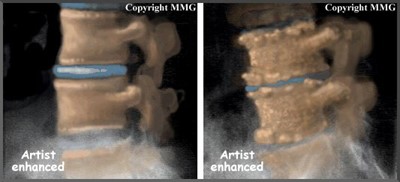
Disk degeneration is a complex subject as it could involve mechanical, traumatic, nutritional, and genetic factors. Complicating matters still further is the fact that the presence of degenerative change is by no means an indicator of symptoms or the level of pain experienced by the patient.
What role does imaging play in this scenario? Is it only to provide accurate morphologic information which could influence therapeutic decision making? Or is there more that therapists can and should be doing to provide their patients with the most appropriate treatment possible?
This course will provide some fresh answers.
load more

3 CEUs
Protein. It's been identified as being both detrimental and beneficial to bone health.
Given the high prevalence of osteoporosis and sarcopenia, should health professionals recommend an increase in protein intakes? Well, it depends on a variety of factors.
This course briefly describes these factors and their relation to bone health. Loss of bone mass (osteopenia) and loss of muscle mass (sarcopenia) that occur with age are also discussed in depth.
load more

3 CEUs
A home treatment program using a classical conditioning procedure to decrease cold hypersensitivity has potential to reduce symptoms.
The purpose of this study was to evaluate a home treatment program for cold hypersensitivity using a classical conditioning procedure in patients who are cold hypersensitive after hand and arm injuries.
These preliminary results suggest that the classical conditioning procedure to treat cold hypersensitivity has potential.
load more