

3 CEUs
Is your practice wallowing in start-up mode? Would you like to grow your practice?
In many respects a medical practice is no different to any other small business: you have a service that you provide (sell) to customers (patients/clients).
To grow your practice/business, you need to market it effectively. This paper provides five key marketing steps that could unlock your business potential.
load more
- New
3 CEUs
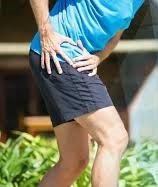
Gluteal tendinopathy is a prevalent and impactful condition. For many decades clinical practice has been guided by ‘myths’ that developed around clinical beliefs. It’s time to examine these myths and engage with the substantial evidence base.
This masterclass aims to: (i) engage with the evidence to refute the most common myths associated with gluteal tendinopathy and trochanteric pain, and (ii) provide clinicians with guidance around contemporary, evidence-based clinical practice.
load more

3 CEUs
In this paper, we review the research studies on the application to kinesio taping in treating myofascial pain syndrome and other related issues. It appears that the kinesio taping application can elevate the subcutaneous space and then increase the blood circulation and lymph fluid drainage to reduce the chemical factors around the myofascial pain syndrome region.
Therefore, it is suggested that kinesio taping method can be used as a regular treatment or added to the other treatment for myofascial pain.
load more
3 CEUs
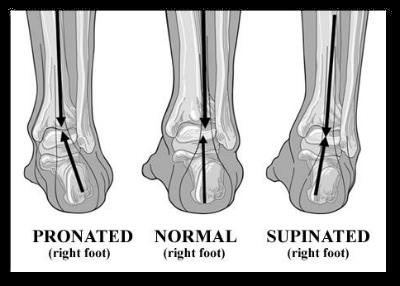
Excuse the pun, but the feet are the foundation for running mechanics. If you are interested in knowing more about running mechanics and how this affects virtually the entire body, you cannot ignore the feet.
This e-Learning course is the foundation for running mechanics and will provide you with a systematic method for clinical gait assessment and so much more.
load more
3 CEUs
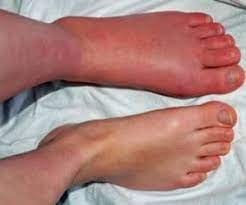
The treatment of patients with complex regional pain syndrome (CRPS) type 1 is challenging and unpredictable as the condition presents with vascular and neuropathic symptoms after nil or even minor injury to a peripheral nerve. The condition is one of a pain and motor dysfunction.
The pathophysiology is not well understood and the relief of symptoms may change from being sympathetically mediated to sympathetically independent during the course of the disease.
At any stage physiotherapy has been advocated as the corner stone of treatment in the rehabilitation of these individuals.
Case histories have been presented that illustrate important aspects and demonstrate the value of early and the appropriate physiotherapy that may be more successful than other pharmacological and physical interventions in this disease.
load more

3 CEUs
Only practitioners with significant clinical experience in diagnostic ultrasound examination should attempt to use the technology to diagnose something as complex as tears of the rotator cuff or for pathology in the long head of the biceps muscle. Right?
This on-line course offers some answers as it examines the outcome achieved by an orthopaedic surgeon with little experience in ultrasound.
The conclusions of this course may surprise you. And help you to put your own ambitions to possibly broaden your own diagnostic horizons into perspective.
load more

3 CEUs
Background: Trigger points, which have been defined as highly localized, hyperirritable locations in a palpable taut band of skeletal muscle fibers, have been identified with a variety of musculoskeletal conditions.
The incidence of trigger point pain is high, with studies showing them as the primary source of pain in 30-85% of patients presenting in a primary care setting or pain clinic. Dry needling has emerged as a possible intervention for trigger points, but its effectiveness has not yet fully been determined.
Conclusion: A review of current literature suggests that dry needling is effective in reducing pain associated with lower quarter trigger points in the short-term. However, the findings suggest that dry needling does not have a positive effect on function, quality of life, depression, range of motion, or strength.
Further high quality research with long-term follow-up investigating the effect of dry needling in comparison to and in conjunction with other interventions is needed to determine the optimal use of dry needling in treating patients with lower quarter trigger points.
load more
3 CEUs
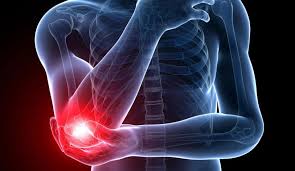
Clinical Practice Guidelines Linked to the International Classification of Functioning, Disability and Health from the Academy of Hand and Upper Extremity Physical Therapy and the Academy of Orthopaedic Physical Therapy of the American Physical Therapy Association.
load more
3 CEUs
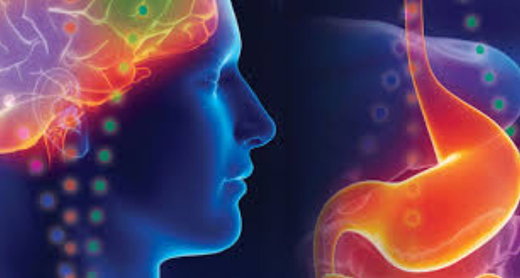
This online learning describes Psychoneuroimmunology (PNI), which is the study of the interaction between psychological processes and the nervous and immune systems of the human body. PNI takes an interdisciplinary approach, incorporating psychology, neuroscience, immunology, physiology, genetics and pharmacology.
The course also discusses the history/origin of PNI, the immune-brain loop and understanding stress and immune function.
load more

3 Ethics CEUs
-
Why do I need to keep good records?
-
What do I need to record and how?
-
Are there any legal issues I should be aware of?
-
Accuracy and legibility of content
-
Confidentiality and data protection
-
Patients access to medical records
Clinical record keeping is an integral component in good professional practice and the delivery of quality healthcare. Regardless of the form of the records (i.e. electronic or paper), good clinical record keeping should enable continuity of care and should enhance communication between different healthcare professionals.
In this online course we will present the importance of keeping good clinical records, ways of facilitating this and an overview of legal aspects linked with clinical record keeping.
The following topics will be covered:
load more