

3 CEUs
We aimed to investigate changes in postural stability on a stable surface after the application of dynamic tape for patients with inversion ankle sprains. This study enrolled 30 patients (age 25.5 ± 8.0 years) with grade I and II ankle sprains, which occurred 7–21 days before enrolment.
Postural stability (balance, coordination, feedback) was assessed before and after the application of dynamic tape using a stabilographic platform. Three 32-s exercises were performed on the stabilographic platform, one with eyes open, one with eyes closed and one with visual feedback.
We concluded that the use of dynamic tape after an ankle sprain significantly improved balance and coordination on a stable surface. The benefits were shown in terms of a significant improvement in the asymmetric load of the injured limb in comparison to the healthy limb during the test with closed eyes and a considerable improvement in the asymmetric load that was evaluated with visual feedback on a stable surface.
Keywords: dynamic tape; ankle sprain; kinesiology taping; postural stability; rehabilitation
load more
3 CEUs
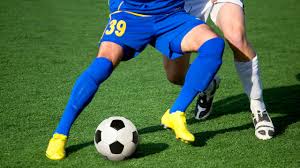
To comment on and explore (1) the prevalence of clinical knee and hip osteoarthritis (OA); (2) the association between pain or function and clinical knee or hip OA; (3) the association between injury or surgery and clinical knee or hip OA.
There is a low prevalence of a clinical knee or hip OA in the active professional male footballer. Pain may be a valid symptom to predict or monitor knee or hip OA. Validated assessment tools should be utilised to identify a negative effect on function. The odds of developing clinical OA in the knee with the number of injuries or surgeries. The hip presents with earlier clinical signs of OA compared to the knee.
load more

3 CEUs
Neurological examination in musculoskeletal practice is a key element of safe and appropriate orthopedic clinical practice. With physiotherapists currently positioning themselves as advanced first line practitioners, it is essential that those who treat patients who present with neck/head/orofacial pain and associated symptoms, should have an index of suspicion of cranial nerve (CN) dysfunction.
load more
3 CEUs
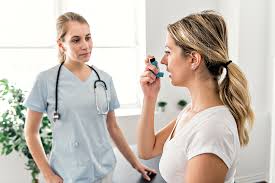
Respiratory physiotherapists have a key role within the integrated care continuum of patients with respiratory diseases. The current narrative review highlights the profession’s diversity, summarises the current evidence and practice, and addresses future research directions in respiratory physiotherapy. Where appropriate, we made recommendations for clinical practice based on current international guidelines.
load more

3 Ethics CEUs
A consensus clinical reasoning framework for best practice for the examination of the cervical spine region has been developed through an iterative consultative process with experts and manual physical therapy organisations. The purpose of the framework is to provide guidance to clinicians for the assessment of the cervical region for potential of Cervical Arterial Dysfunction in advance of planned management (inclusive of manual therapy and exercise interventions).
The best, most recent scientific evidence is combined with international expert opinion, and is presented with the intention to be informative, but not prescriptive; and therefore, as an aid to the clinician’s clinical reasoning. Important underlying principles of the framework are that 1] although presentations and adverse events of Cervical Arterial Dysfunction are rare, it is a potentially serious condition and needs to be considered in musculoskeletal assessment; 2] manual therapists cannot rely on the results of one clinical test to draw conclusions as to the presence or risk of Cervical Arterial Dysfunction.
load more
3 CEUs
-
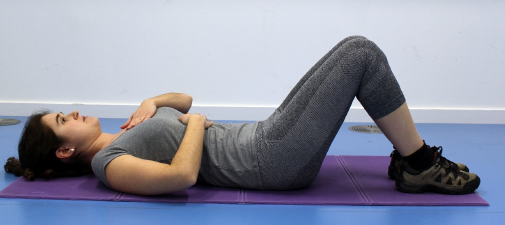
What is a breathing pattern disorder (BPD)?
-
Prevalence and diagnosis of BPD in tennis players
-
Management of BPD in tennis players
-
Optimising the technical aspects of breathing
-
Optimising the physical aspects of breathing
-
Practical tips for tennis players
This article will cover the following topics:
load more

3 Ethics CEUs
While the authors can strongly recommend incorporating both exercise and manual therapy in the management of MSK pain, the clinical benefits of these interventions are often limited. This underscores the critical need to shift our focus: from merely treating symptoms to addressing the underlying factors that contribute to MSK conditions.
We strongly argue that to further evolve we must include the evaluation and management of lifestyle factors in our assessment and management.
load more
- New

3 CEUs
Infection during pregnancy is associated with an increased risk for severe coronavirus disease 2019 illness and related complications that can significantly impact maternal health and the health of the neonate. Although the knowledge base continues to evolve, the available evidence influencing the care of pregnant women and their infants is summarized in this focused review.
load more

3 CEUs
When you start your practice, it may seem easier to keep your personal and business matters together, like having one banking account, one social media account, and do all the taxes as one entity. But it will prove to be more efficient in the long run to keep your business and private matters separate.
There are 3 main areas that needs to be separate: Your affairs, your finances, and your taxes.
load more
