- New

3 CEUs
The purpose of this paper was to update, present and discuss the accumulated knowledge regarding scapular involvement in various shoulder injuries and highlight the clinical implications for the evaluation and treatment of shoulder injuries.
Major conclusions were:
(1) scapular dyskinesis is present in a high percentage of most shoulder injuries;
(2) the exact role of the dyskinesis in creating or exacerbating shoulder dysfunction is not clearly defined;
(3) shoulder impingement symptoms are particularly affected by scapular dyskinesis;
(4) scapular dyskinesis is most aptly viewed as a potential impairment to shoulder function;
(5) treatment strategies for shoulder injury can be more effectively implemented by evaluation of the dyskinesis;
(6) a reliable observational clinical evaluation method for dyskinesis is available and
(7) rehabilitation programmes to restore scapular position and motion can be effective within a more comprehensive shoulder rehabilitation programme.
load more
- New
3 CEUs
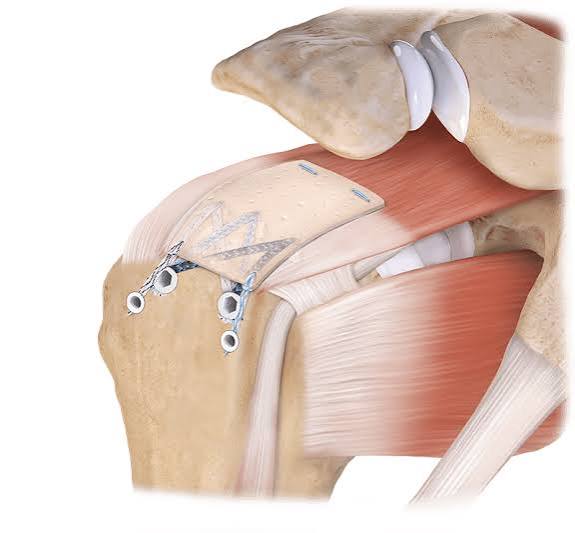
Postoperative rehabilitation following rotator cuff repair remains a crucial, but under-researched, aspect of patient recovery. Despite its importance, no comprehensive rehabilitation guideline based on robust clinical trials has emerged, leaving a gap in evidence-based practice.
This paper review current practices and establish clinical guidance on rehabilitation. The development of this evidence synthesis followed a rigorous five-stage process:
(1) systematic literature review,
(2) UK national practice survey,
(3) expert consensus (Delphi) study,
(4) updated literature search and review and
(5) synthesis of the previous four stages.
10 key domains for postoperative rehabilitation from immediate post-surgery to return to normal function, including sports, were identified.
This paper synthesises current knowledge and provides a platform for recommendations in clinical practice and future research. In particular, early shoulder movement was recommended during the ’immobilisation period’, but confined to shoulder elevation up to 90°, anterior to the scapular plane, with neutral external rotation.
load more
- New
3 CEUs
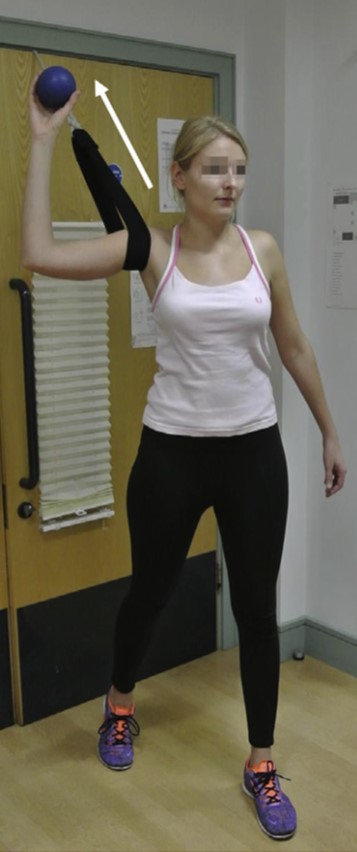
Rotator cuff related shoulder pain (RCRSP) is an over-arching term that encompasses a spectrum of shoulder conditions including; subacromial pain (impingement) syndrome, rotator cuff tendinopathy, and symptomatic partial and full thickness rotator cuff tears.
Considerable deficits in our understanding of RCRSP persist. These include; (i) cause and source of symptoms, (ii) establishing a definitive diagnosis, (iii) establishing the epidemiology of symptomatic RCRSP, (iv) knowing which tissues or systems to target intervention, and (v) which interventions are most effective.
The aim of this masterclass is to address a number of these areas of uncertainty and it will focus on; (i) RC function, (ii) symptoms, (iii) aetiology, (iv) assessment and management, (v) imaging, and (vi) uncertainties associated with surgery.
load more
- New

3 CEUs
Rehabilitation following a rotator cuff repair is an important factor for achieving satisfactory patient outcomes. The rehabilitation should be tailored to an individual patient’s needs and should advance through stages based on patient progression. Rehabilitation is often done under the direction of a physical therapist and can be divided into 4 phases during a 6-month period.
The goals of therapy are to protect the tendon repair and prevent injury to the repair while preventing stiffness and restoring strength and function to provide a good outcome for the patient. Consistent communication between the patient, therapist, and surgeon is paramount for a good result. The ability to create a patient-specific program will provide these complex patients an opportunity for improved function and pain relief.
load more
- New
3 CEUs
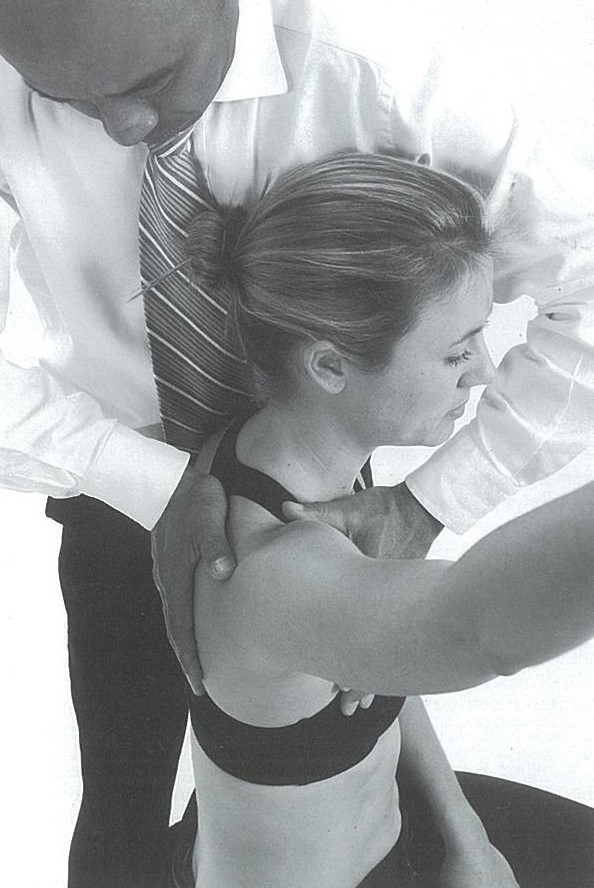
This online article describes a case study of swimmer’s shoulder treated with mobilisation with movement techniques.
load more
3 CEUs
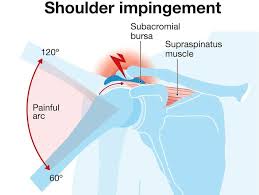
Subacromial impingement syndrome (SAIS) is a commonly diagnosed disorder of the shoulder. Though this disorder has been known for a long time, it remains a poorly understood entity.
Since decompression with surgery does not provide any additional benefits as compared to conservative treatment for patients with SAIS, the impingement theory has become antiquated and surgical treatment should have no role in the treatment of such patients. There are calls by some practitioners to abandon the term impingement syndrome and rename it as anterolateral shoulder pain syndrome. It appears that SAIS is a medical myth. There are others who called SAIS as a clinical illusion.
load more

3 CEUs
There is a rising prevalence of temporomandibular disorders (TMD) and, therefore a need to improve the management of these conditions. No studies have been done to assess the possible associations between the shoulder girdle and the temporomandibular joint (TMJ) in participants with TMD.
The associations found between the pain and disability of the shoulder girdle and TMJ give insight into the relationship between the two areas in participants with TMD.
load more

3 CEUs
Shoulder pain after a cerebrovascular accident or traumatic brain injury is a common but often under-recognized problem. It is due to a number of causes including inferior subluxation, spasticity, adhesive capsulitis, and heterotopic ossification. Many of these are amenable to surgical intervention.
load more

3 CEUs
-
the clinical relevance of myofascial trigger points in shoulder pain syndromes;
-
shoulder pain and movement dysfunction;
-
trigger points and range of motion (ROM) restrictions; and
-
trigger points.
-
Supraspinatus muscle
-
Infraspinatus muscle
-
Teres minor muscle
-
Subscapularis muscle
-
Deltoid muscle
-
Teres major muscle
-
Pectoralis minor muscle
-
Pectoralis major muscle
-
Latissimus dorsi muscle
-
Biceps brachii muscle long head
-
Triceps brachii muscle long head; and
-
Subclavius muscle
This illustrated Dry Needling online course covers:
Illustration and needling instructions of Dry Needling techniques for the following shoulder muscles are provided:
Their anatomy, function, innervation and contra-indications for Dry Needling are also included.
load more
3 CEUs
- the functional anatomy of the shoulder complex;
- the key features of the clinical history;
- how to conduct a swift and effective physical examination;
- investigations;
- treatment of important shoulder conditions; and
- the prescription for practical shoulder rehabilitation.
In recent years, there have been many advances in the assessment and treatment of shoulder pain. Part one of these on-line courses reviews:
Part 2 focuses on mechanism of injury, assessment and rehabilitation of the rotator cuff.
load more
3 CEUs
- the functional anatomy of the shoulder complex;
- the key features of the clinical history;
- how to conduct a swift and effective physical examination;
- investigations;
- treatment of important shoulder conditions; and
- the prescription for practical shoulder rehabilitation.
In recent years, there have been many advances in the assessment and treatment of shoulder pain. Part one of these on-line courses reviews:
Part 2 focuses on mechanism of injury, assessment and rehabilitation of the rotator cuff.
load more

3 CEUs
These courses are based on the physiology and biomechanics of the shoulder. They provide very effective rehabilitation protocols in terms of return to play. They will assist you to diagnose not only local anatomical lesions, such as rotator cuff tear or Bankart lesion, but also the biomechanical deficits that exist in the shoulder girdle and spine.
But that's not all. Distant disorders such as inflexibilities of hip rotation, short hamstrings, or the stiff back also often contribute to shoulder abnormalities. The course will enable you to make a complete diagnosis and to look beyond the injured tissues to tissues that may be overloaded.
You will also learn to detect functional biomechanical deficits as well as the subclinical adaptations that sports people use to try to maintain performance.
load more
3 CEUs
These courses are based on the physiology and biomechanics of the shoulder. They provide very effective rehabilitation protocols in terms of return to play. They will assist you to diagnose not only local anatomical lesions, such as rotator cuff tear or Bankart lesion, but also the biomechanical deficits that exist in the shoulder girdle and spine.
But that?s not all. Distant disorders such as inflexibilities of hip rotation, short hamstrings, or the stiff back also often contribute to shoulder abnormalities. The course will enable you to make a complete diagnosis and to look beyond the injured tissues to tissues that may be overloaded.
You will also learn to detect functional biomechanical deficits as well as the subclinical adaptations that sports people use to try to maintain performance.
load more

3 CEUs
What is manual therapy? How is it combined with active movement? What is the effect of this?
Find out how to apply this technique and learn about how to use it as an assessment tool for peripheral joints.
load more
3 CEUs
What is manual therapy? How is it combined with active movement? What is the effect of this?
Find out how to apply this technique and learn about how to use it as an assessment tool for peripheral joints.
load more

3 CEUs
-
Pectoralis major
-
Latissimus dorsi
-
Upper trapezius
-
Scalenes
-
Sternocleidomastoid
This illustrated on-line course covers the assessment, interpretation and treatment of the following tight upper quarter muscles:
Part 1:
load more

3 CEUs
-
Levator scapulae
-
Infraspinatus
-
Subscapularis
-
Supraspinatus
-
Flexors of the arm
-
Flexors of the forearm
-
Biceps brachii
This illustrated on-line course covers the assessment, interpretation and treatment of the following tight upper quarter muscles:
Part 2:
load more

3 CEUs
Only practitioners with significant clinical experience in diagnostic ultrasound examination should attempt to use the technology to diagnose something as complex as tears of the rotator cuff or for pathology in the long head of the biceps muscle. Right?
This on-line course offers some answers as it examines the outcome achieved by an orthopaedic surgeon with little experience in ultrasound.
The conclusions of this course may surprise you. And help you to put your own ambitions to possibly broaden your own diagnostic horizons into perspective.
load more
3 CEUs
The management of frozen shoulder remains controversial. Many different therapeutic approaches have been advocated and no single method of treatment has been shown to have a clearly superior outcome.
This article discusses a method which provides for the treatment of shoulder pain and stiffness by allowing patients to exercise with less pain earlier in the rehabilitation process.
The method comprises a unique approach utilizing the following four components simultaneously from the onset of treatment: isometric muscle contraction (IMC); dynamic oscillatory stretching (DOS) and/or passive accessory mobilization and mindfulness.
load more