3 CEUs
Purpose: The aim of perspective article is to suggest a practical traffic-light prognosis-based classification system to improve the management of patients with headache and/or orofacial pain in the musculoskeletal practice. This classification system is based on the best available scientific knowledge based on the unique set-up and clinical reasoning process of musculoskeletal practitioners.
This framework incorporates medical screening for dangerous medical conditions, and profiling the psychosocial aspects of each patient; thus, follows the biopsychosocial rehabilitation paradigm.
load more

3 CEUs
-
Headache in sport
-
Clinical application to the patient and headache
-
Migraine
-
Primary exercises headache
-
Cervicogenic headache
-
Post-traumatic headache
Headache is one of the most prevalent pain conditions present at all stages of life. It affects the majority of the global population and is among the top 10 causes of disability. Despite this, the burden of headache has been largely underestimated, with headache disorders often dismissed as minor and undeserving of medical care.
Although athletes suffer from the same causes of headache as non-athletes, there are several key causes of headache that relate directly to exercise or to the sport itself. An additional factor to consider is that headache can impair both training and sports performance.
This online course will cover the following topics:
load more

3 CEUs
Neck pain commonly accompanies migraine and tension-type headache, but the literature is divided on whether this neck pain is a headache symptom or is associated with cervical musculoskeletal dysfunction.
Clarification is essential for hypotheses on the pathogenesis of these headaches and their variants and for decisions on suitability of local neck treatments, both from research and clinical practice perspectives.
load more
3 CEUs
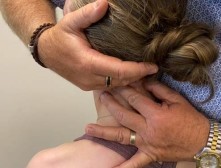
Objectives: People who suffer from headache frequently present with multiple headache forms and the precise diagnosis of the dominant headache form can be challenging.
This case report describes a headache symptom modification approach in the diagnosis and management of a patient presenting with combined features of chronic migraine and cervicogenic headache (CGH).
Discussion: This case report illustrates the use of a manual therapy symptom modification approach in the management of headache.
Improvement in headache symptoms and disability suggests that the musculoskeletal impairments and headache symptoms were more a feature of CGH rather than migraine. The mechanisms underlying these changes in symptoms and impairments are discussed.
load more

3 CEUs
Background: Current theories associated with the cause of tension type headache are mostly focused on muscle tissues. No study has investigated the presence of role of nerve tissues in this population.
Objective: Our aim was to examine the responses to different mechanical provocation tests of the nerve tissues in women with tension type headache when compared to healthy women.
load more
3 CEUs
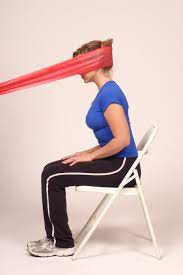
The results of most recent epidemiological studies are consistent to show an inverse association between physical exercise and migraine, but it is quite challenging to establish whether physical inactivity may be the cause or the consequence of migraine, since migraine is a well-establish disabling condition that may actually limit social and physical capabilities.
load more

3 Ethics CEUs
Background: Pain-associated psychological distress adversely influences outcomes for patients with musculoskeletal pain.
However, assessment of pain-associated psychological distress (i.e, yellow flags) is not routinely performed in orthopaedic physical therapy practice. A standardized yellow flag assessment tool will better inform treatment decision making related to psychologically informed practice.
Objectives: To describe the development of a concise, multidimensional yellow flag assessment tool for application in orthopaedic physical therapy clinical practice.
Orthop Sports Phys Ther 2016;46(5):327-345.
load more

3 CEUs
The objective of this online course is to estimate and contrast the occurrence of ictal and interictal cutaneous allodynia (CA) in individuals with migraine with and without temporomandibular disorders (TMD).
Both TMD and CA are common in migraine and may be associated with migraine transformation from episodic into a chronic form.
load more

3 CEUs
There has been growing concern locally and internationally about the incidence of sport-related concussion and potential health ramifications for athletes. If managed appropriately most symptoms and signs of concussion resolve spontaneously, however complications can occur including prolonged duration of symptoms and increased susceptibility to further injury. There is also growing concern about potential long-term consequences of multiple concussions.
This course will provide you with information regarding the timely recognition and appropriate management of sport-related concussion. It will also provide you with clear, unequivocal and reliable information to be readily accessible to all members of the community.
This Position Statement on Concussion in Sport brings together the most contemporary evidence-based information and presents it in a format that is appropriate for all stakeholders. This e-Learning course seeks to ensure that all members of the public have rapid access to information to increase their understanding of sport-related concussion and to assist in the delivery of best practice medical care.
load more
3 CEUs
There has been growing concern locally and internationally about the incidence of sport-related concussion and potential health ramifications for athletes. If managed appropriately most symptoms and signs of concussion resolve spontaneously, however complications can occur including prolonged duration of symptoms and increased susceptibility to further injury. There is also growing concern about potential long-term consequences of multiple concussions.
This course will provide you with information regarding the timely recognition and appropriate management of sport-related concussion. It will also provide you with clear, unequivocal and reliable information to be readily accessible to all members of the community.
This Position Statement on Concussion in Sport brings together the most contemporary evidence-based information and presents it in a format that is appropriate for all stakeholders. This e-Learning course seeks to ensure that all members of the public have rapid access to information to increase their understanding of sport-related concussion and to assist in the delivery of best practice medical care.
load more

3 CEUs
- The clinical presentation of TrPs in head and neck pain syndromes
-
Trigger points (TrPs) in headache and orofacial pain populations
-
Myofascial TrPs in temporomandibular pain
-
Myofascial TrPs in tension-type headache
-
Myofascial TrPs in migraine
-
Myofascial TrPs in other headaches
-
Zygomatic muscle
-
Lateral muscle
-
Pterygoid muscle
-
Digastric muscle
-
Corrugator supercilii muscle
-
Procerus muscle
-
Masseter muscle
-
Temporalis muscle
Deep Dry Needling of the Head
This illustrated Dry Needling online course covers:
Illustration and needling instructions of Dry Needling techniques for the following head muscles are provided:
Their anatomy, function, innervation and contra-indications for Dry Needling are also included.
load more