- New
3 CEUs
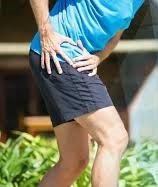
Gluteal tendinopathy is a prevalent and impactful condition. For many decades clinical practice has been guided by ‘myths’ that developed around clinical beliefs. It’s time to examine these myths and engage with the substantial evidence base.
This masterclass aims to: (i) engage with the evidence to refute the most common myths associated with gluteal tendinopathy and trochanteric pain, and (ii) provide clinicians with guidance around contemporary, evidence-based clinical practice.
load more
3 CEUs
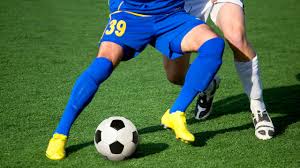
To comment on and explore (1) the prevalence of clinical knee and hip osteoarthritis (OA); (2) the association between pain or function and clinical knee or hip OA; (3) the association between injury or surgery and clinical knee or hip OA.
There is a low prevalence of a clinical knee or hip OA in the active professional male footballer. Pain may be a valid symptom to predict or monitor knee or hip OA. Validated assessment tools should be utilised to identify a negative effect on function. The odds of developing clinical OA in the knee with the number of injuries or surgeries. The hip presents with earlier clinical signs of OA compared to the knee.
load more
- New

3 CEUs
A detailed description of the various different tests is given, with photographs for each test procedure. Diagnostic interpretation of each test requires careful consideration, with special attention to specific variables such as test performance and patient population.
load more
3 CEUs
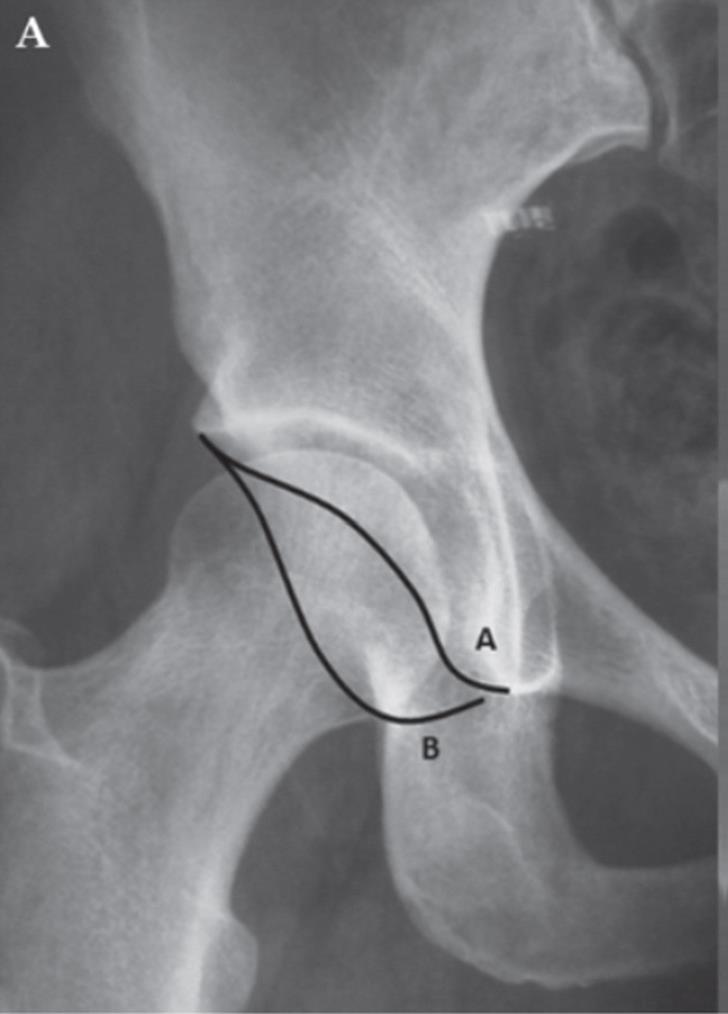
History and physical examination can be useful to classify young active individuals with non-arthritic intra-articular hip pathology as having impingement or instability.
However, the specific type of deformity leading to symptoms may not be apparent from this evaluation. Several radiological indexes have been described in the literature for individuals with non-arthritic hip pathology.
This course outlines the clinical indications, methods, and interpretation of hip radiological images as it relates to physical examination findings for those with non-arthritic hip pathology.
load more

3 CEUs
- rectus femoris and iliopsoas
This illustrated on-line course covers the assessment, interpretation and treatment of the following short/tight muscles:
load more

3 CEUs
-
Hamstrings:
-
Lower and upper hamstrings
-
Tensor fascial lata
This illustrated on-line course covers the assessment, interpretation and treatment of the following short/tight muscles:
load more
3 CEUs
-
Dry needling of the hip muscle
-
Gluteus maximus muscle
-
Gluteus medius muscle
-
Gluteus minimus muscle
-
Tenor fascia latae muscle
-
Obturator externus muscles
-
Quadratus femoris muscle
This illustrated Dry Needling online course covers the clinical relevance of trigger points in syndromes related to the hip.
Illustration and needling instructions of Dry Needling techniques for the following hip muscles are provided:
Their anatomy, function, innervation and contra-indications for Dry Needling are also included.
Introduction to Dynamic Oscillatory Stretching (DOS) for myofascial syndrome are included.
load more
3 CEUs
-
Adductor longus
-
Adductor brevis
-
Adductor magnus
-
Pectineus
-
Gracilis
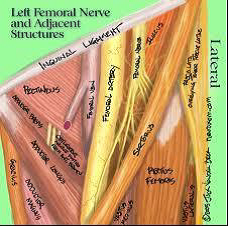
This online course focuses on Dry Needling therapy and Active Isolated Stretching (AIS) of muscles in the medial thigh.
Illustration and needling instructions of Dry Needling techniques and AIS for the following medial thigh muscles are provided:
Their anatomy, function, innervation and contra-indications for Dry Needling are also included.
load more

3 CEUs
-
Rectus femoris
-
Vastus laterali
-
Vastus medialis
-
Vastus intermedius
-
Genu articularis
This online course focuses on Dry Needling therapy and Active Isolated Stretching techniques for the anterior thigh muscles.
Illustration and needling instructions of Dry Needling techniques and AIS for the following anterior thigh muscles are provided:
Their anatomy, function, innervation and contra-indications for Dry Needling are also included.
load more

3 CEUs
-
Deep Dry Needling of the posterior thigh
-
Biceps femoris
-
Semimembranosus and semitendinosis
-
Sartorius
This online course focuses on Dry Needling therapy and Active Isolated Stretching techniques for the posterior thigh muscles.
Illustration and needling instructions of Dry Needling techniques and AIS for the following posterior thigh muscles are provided:
Their anatomy, function, innervation and contra-indications for Dry Needling are also included.
load more

3 CEUs
Until recently, the hip joint was not thought to be a significant cause of problems in the athletic population. Now, thanks to MRI, and hip arthroscopy we have been able to learn more about some of the common underlying causes of groin pain. These will be covered in part one and two of this course.
Part 3 covers the clinical assessment and treatment of labral tears, ligamentum teres tears, synovitis, chondropathy, surgical management, os acetabulare and lateral hip pain.
This on-line course includes ample photos of exercises for hip rehabilitation.
load more
3 CEUs
Until recently, the hip joint was not thought to be a significant cause of problems in the athletic population. Now, thanks to MRI, and hip arthroscopy we have been able to learn more about some of the common underlying causes of groin pain. These will be covered in part one and two of this course.
Part 3 covers the clinical assessment and treatment of labral tears, ligamentum teres tears, synovitis, chondropathy, surgical management, os acetabulare and lateral hip pain.
This on-line course includes ample photos of exercises for hip rehabilitation.
load more
3 CEUs
Until recently, the hip joint was not thought to be a significant cause of problems in the athletic population. Now, thanks to MRI, and hip arthroscopy we have been able to learn more about some of the common underlying causes of groin pain. These will be covered in part one and two of this course.
Part 3 covers the clinical assessment and treatment of labral tears, ligamentum teres tears, synovitis, chondropathy, surgical management, os acetabulare and lateral hip pain.
This on-line course includes ample photos of exercises for hip rehabilitation.
load more

3 CEUs
How should you treat elite athletes who present to you with complex pathology (muscle dysfunction, strength and flexibility components and underlying joint dysfunction) and a prolonged history of unsatisfactory previous treatment?
This on-line course provides effective solutions for the rapid resolution of chronic, complex groin and thigh pain involving local myofascial injury with associated joint dysfunction.
load more
3 CEUs
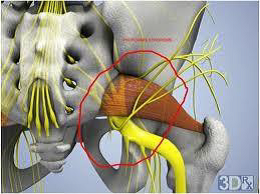
The purpose of this course is to introduce alternative treatment approach for piriformis syndrome using a hip muscle strengthening programme with movement re-education. Interventions for piriformis syndrome typically consist of stretching, dry needling and/or soft tissue massage to the piriformis muscle.
However, this case study highlights an alternative view of the pathomechanics of piriformis syndrome and proposes an effective different treatment approach.
load more
3 CEUs
The purpose of this course is to introduce alternative treatment approach for piriformis syndrome using a hip muscle strengthening programme with movement re-education. Interventions for piriformis syndrome typically consist of stretching, dry needling and/or soft tissue massage to the piriformis muscle.
However, this case study highlights an alternative view of the pathomechanics of piriformis syndrome and proposes an effective different treatment approach.
load more

3 CEUs
What is manual therapy? How is it combined with active movement? What is the effect of this?
Find out how to apply this technique and learn about how to use it as an assessment tool for peripheral joints.
load more
3 CEUs
What is manual therapy? How is it combined with active movement? What is the effect of this?
Find out how to apply this technique and learn about how to use it as an assessment tool for peripheral joints.
load more