3 CEUs
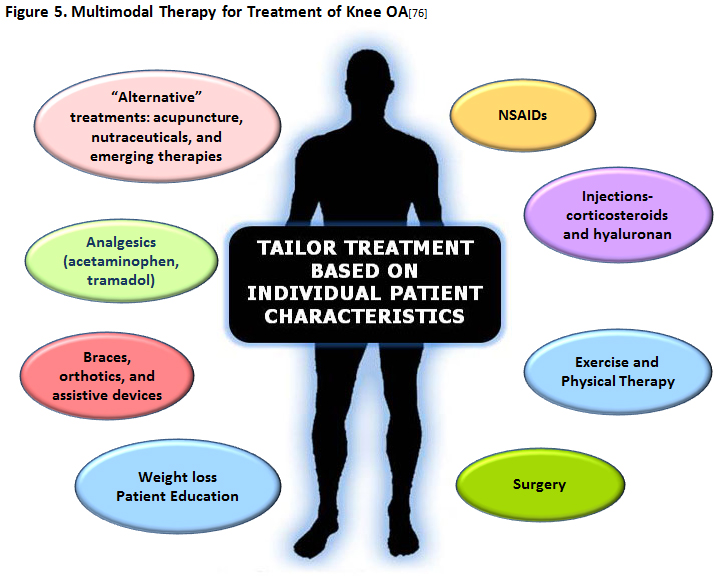
Each individual patient is different, and every individual we treat deserves an evidence-based multifactoral plan of care. If we do not provide evidence-based, patient-centered care for our patients, someone else will maybe they already are.
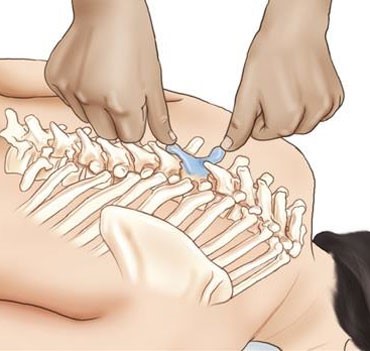
Manual therapists regularly receive patient feedback involving pain reduction, however questions remain as to mechanisms involved. Evidence appears to point to a combination of neurophysiological, biochemical and fluid-dynamic hypoalgesic influences.
*Fast track = fast track your learning with our short online courses
load more

3 Ethics CEUs
It's every physiotherapist's worst nightmare: something going horribly wrong during examination and treatment of a patient.
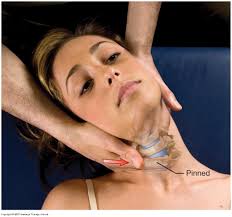
This article examines the issue of neurovascular complications such as vertebrobasilar arterial dissection following Cervical Manipulative Therapy and evaluates whether or how physiotherapists can avoid or prevent the nightmare.
load more
3 CEUs
In view of a didactical approach for teaching cervical mobilization and manipulation techniques to students as well as their use in daily practice, it is mandatory to acquire sound clinical reasoning to optimally apply advanced technical skills.
The aim of this Masterclass is to present a clinical algorithm to guide therapists in their clinical reasoning to identify patients who are likely to respond to mobilization and/or manipulation. The presented clinical reasoning process is situated within the context of pain mechanisms and is narrowed to and applicable in patients with a dominant input pain mechanism.
load more