3 CEUs
Patients undergoing prolonged mechanical ventilation represent up to 15% of all patients requiring weaning from mechanical ventilation. Although recent guidelines have recommended including physiotherapy early during mechanical ventilation to speed the process of weaning, only indirect evidence supporting the use of physiotherapy is available for patients receiving prolonged mechanical ventilation.
The aim of our study was to evaluate the effects of physiotherapy program in subjects requiring prolonged mechanical ventilation and the correlates of successful weaning.
The date support the inclusion of physiotherapy in the management of patients requiring prolonged mechanical ventilation.
load more

3 CEUs
Respiratory physiotherapists have a key role within the integrated care continuum of patients with respiratory diseases. The current narrative review highlights the profession’s diversity, summarises the current evidence and practice, and addresses future research directions in respiratory physiotherapy. Where appropriate, we made recommendations for clinical practice based on current international guidelines.
load more
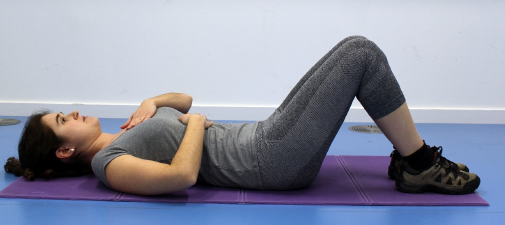
3 CEUs
-
What is a breathing pattern disorder (BPD)?
-
Prevalence and diagnosis of BPD in tennis players
-
Management of BPD in tennis players
-
Optimising the technical aspects of breathing
-
Optimising the physical aspects of breathing
-
Practical tips for tennis players
This article will cover the following topics:
load more

3 CEUs
This online course summarises the respiratory and systemic consequences of an acute exacerbation
of COPD (AECOPD); the burden of exacerbations for individuals and the health system; management of AECOPD, with a focus on important physiotherapy interventions; prevention of AECOPD; and future directions for research and practice.
load more

3 CEUs
This online course examines the current evidence base and best clinical practice in the area of airway clearance.
Mechanical devices such as the flutter valves, positive end expiratory pressure and high frequency chest wall oscillation may be able to provide the benefits of improved airway clearance in the patient's home potentially with reduced demands on healthcare resources.
load more

3 CEUs
Part 1 is from pages 19 - 22 of the reading material.
Careful review of the currently available literature clearly shows the benefit of pulmonary rehabilitation in COPD. More evidence will be presented concerning the magnitude and mechanisms of the obtained benefits. In addition, it has become clearer that patients at both ends of the disease spectrum can be good candidates for properly designed rehabilitation programs.
This article will summarize the available evidence and added some clinical practice advice in an attempt to define the present state of the art.
load more
3 CEUs
Part 2 is from pages 23 - 31 of the reading material.
Careful review of the currently available literature clearly shows the benefit of pulmonary rehabilitation in COPD. More evidence will be presented concerning the magnitude and mechanisms of the obtained benefits. In addition, it has become clearer that patients at both ends of the disease spectrum can be good candidates for properly designed rehabilitation programs.
This article will summarize the available evidence and added some clinical practice advice in an attempt to define the present state of the art.
load more

3 CEUs
-
What is breathlessness and how common is it in terminal illness?
-
How is it measured?
-
How is it evaluated?
-
What is the approach to management?
-
Non-drug interventions.
-
Drug interventions.
-
Oxygen therapy and other drugs
This on-line course includes the following topics:
load more
- Video

-
To understand the correlation between normal anatomy and shadows on the chest X-ray.
-
To be able to interpret chest X-ray presentation.
-
To recognize normal and abnormal presentation of the following structures:
-
Airways.
-
Bones, soft tissue.
The aims of this video course are:
- Video

-
To understand the correlation between normal anatomy and shadows on the chest X-ray.
-
To be able to interpret chest X-ray presentation.
-
To recognize normal and abnormal presentation of the following structures:
-
Cardiac silhouette and mediastinum.
-
Diaphragm, pleura.
-
Effusions.
-
Lungs.
-
Lines, tubes, devices and surgeries.
The aims of this video course are:
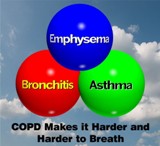
3 CEUs
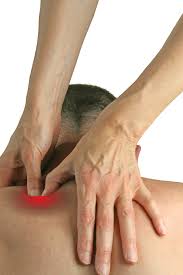
Background and objective: In chronic obstructive pulmonary disease (COPD), accessory respiratory muscles are recruited as a compensatory adaptation to changes in respiratory mechanics. This results in shortening and overactivation of these and other muscles. Manual therapy is increasingly being investigated as a way to alleviate these changes. The aim of this study was to measure the immediate effect on lung function of a soft tissue manual therapy protocol (STMTP) designed to address changes in the accessory respiratory muscles and their associated structures in patients with severe COPD.
Methods: Twelve medically stable patients (n=12) with an existing diagnosis of severe COPD (ten: GOLD Stage III and two: GOLD Stage IV) were included. Residual volume, inspiratory capacity and oxygen saturation (SpO2) were recorded immediately before and after administra?tion of the STMTP.
Results: The mean age of the patients was 62.4 years (range 46?77). Nine were male. Residual volume decreased from 4.5 to 3.9 L (P=0.002), inspiratory capacity increased from 2.0 to 2.1 L (P=0.039) and SpO2 increased from 93% to 96% (P=0.001).
Conclusion: A single application of an STMTP appears to have the potential to produce immediate clinically meaningful improvements in lung function in patients with severe and very severe COPD.
load more
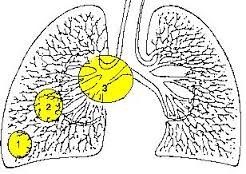
3 CEUs
Described by Jean Chevaillier in 1967, autogenic drainage is widely used throughout Europe. This paper describes the technique which is based on Chevaillier's work; and offers a physiological explanation for how it works. This course also reviews the evidence supporting the use of autogenic drainage.
load more
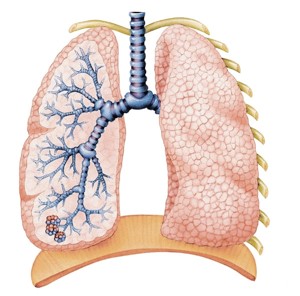
3 CEUs
This on-line course discusses the successes and failures of a respiratory rehabilitation programme designed for an overweight, sedentary 61-year-old woman who has been diagnosed with chronic obstructive pulmonary disease.
load more
3 CEUs
Increasing evidence indicates that chronic obstructive pulmonary disease (COPD) is a complex disease involving more than airflow obstruction.
These courses examine the systemic consequences of airflow obstruction and the serious potential side effects of conventional drug treatment including potentially aggravating a range of comorbid diseases.
The courses also discuss the pros and cons of other therapies.
load more
3 CEUs
Part 2 is from pages 1171 - 1179 of the reading material.
Increasing evidence indicates that chronic obstructive pulmonary disease (COPD) is a complex disease involving more than airflow obstruction.
These courses examine the systemic consequences of airflow obstruction and the serious potential side effects of conventional drug treatment including potentially aggravating a range of comorbid diseases.
The courses also discuss the pros and cons of other therapies.
load more