3 Ethics CEUs
The 2020 Occupational Therapy Code of Ethics is designed to reflect the dynamic nature of the occupational therapy profession, the evolving health care environment, and emerging technologies that can present potential ethical concerns in practice, research, education, and policy.
load more

3 Ethics CEUs
-
Why do I need to keep good records?
-
What do I need to record and how?
-
Are there any legal issues I should be aware of?
-
Accuracy and legibility of content
-
Confidentiality and data protection
-
Patients access to medical records
Clinical record keeping is an integral component in good professional practice and the delivery of quality healthcare. Regardless of the form of the records (i.e. electronic or paper), good clinical record keeping should enable continuity of care and should enhance communication between different healthcare professionals.
In this online course we will present the importance of keeping good clinical records, ways of facilitating this and an overview of legal aspects linked with clinical record keeping.
The following topics will be covered:
load more

3 Ethics CEUs
This Ethics course is suitable for Physiotherapists, Biokineticists and Podiatrists in private practice. It deals with the latest HPCSA regulations on advertising and making professional services known.
load more
3 Ethics CEUs
-
Respect and equal treatment
-
Ending a patient-HP relationship
-
HIV/AIDS
-
Sexual attraction
-
Treating family members
-
Communication & consent, case study #1 included
-
Obstacles for good communication plus case study #2
-
Abusing medical resources including case study #3
-
Futile treatment
The health care profession-patient relationship is the cornerstone of medical practice and therefore of medical ethics.
This on-line course will discuss:
load more

3 Ethics CEUs
-
explain how medical decisions should be made for patients who are incapable of making their own decisions;
-
explain the justification for patient confidentiality and recognise legitimate exceptions;
-
recognise the principle ethical issues surrounding the beginning and end of life;
-
summarise the arguments for and against the practice of euthanasia/assisted suicide; and the difference between these actions and palliative care or foregoing treatment.
After working through this course, you should be able to:
load more

3 Ethics CEUs
-
describe how health care professionals should behave toward one another
-
justify reporting colleagues unethical behaviour
-
identify the main ethical principles relating to cooperation with others in the care of patients
-
resolve conflicts with other health care providers
After working through this on-line course you should be able to:
load more

3 Ethics CEUs
-
Understand national and international legal frameworks for the rights of children in healthcare.
-
Reflect critically on the rights of children in healthcare.
-
Advocate for the rights of these children.
-
Understand the healthcare professional dilemma to report or not report child abuse.
Children are not just a smaller version of adults and it is often difficult to determine when actions are truly "in the best interest of the child". When should we intervene and when are children capable of making their own decisions?
How much information do children need? Is it always in the best interest of the child to have the parent present during treatments?
The purpose of this online course is to equip healthcare providers with the knowledge to adequately address the rights of children in healthcare.
After completion of this course, you will be able to:
load more

3 Ethics CEUs
This on-line course provides frequently asked questions regarding ethical considerations of COVID-19 pandemic for Healthcare Providers.
load more

3 CEUs
The purpose of this online course was to evaluate the effect of self-myofascial stretching of the carpal ligament on symptom outcomes and nerve conduction findings in persons with CTS.
The myofascial stretching of the carpal ligament showed statistically significant symptom?improvement in persons with CTS.
load more

3 CEUs
This on-line course demonstrates a clinically significant positive relationship between the use of a custom thermoplastic orthosis and the subjective reduction of pain and objective stage of stenosis tenosynovitis outcome measure for patients who have isolated trigger finger, multiple trigger fingers, or trigger thumb.
It also demonstrated an 87% success rate among patients who required no further intervention in the year after orthosis application. Custom-orthosis treatment is a low-cost, easily applied intervention that may provide patients with long-term relief of trigger finger.
load more
3 CEUs
Shoulder pain after a cerebrovascular accident or traumatic brain injury is a common but often under-recognized problem. It is due to a number of causes including inferior subluxation, spasticity, adhesive capsulitis, and heterotopic ossification. Many of these are amenable to surgical intervention.
load more

3 CEUs
Prediction of voluntary upper extremity (UE) movement recovery is largely unknown in patients with little voluntary UE movement at admission.
The present study aimed to investigate
(1) the extent and variation of voluntary UE movement recovery, and
(2) the best predictive model of the recovery of voluntary UE movement by clinical variables in patients with severe UE paresis.
load more

3 CEUs
The purpose of this online course was to investigate the effectiveness of trunk training on trunk control, sitting and standing balance and mobility.
load more
3 CEUs
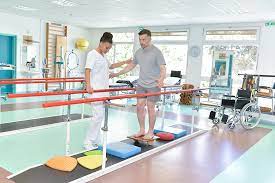
Pusher syndrome is characterised by the patient pushing towards the hemiparetic side with the contralateral side, in a sitting position, standing and during movement, surpassing the gravitational mean line, which produces inappropriate adjustment and postural control.
The purpose of this online course was to determine the effectiveness of physiotherapy treatment in post-stroke pusher syndrome and to extract guidelines for its correct identification and interdisciplinary approach.
load more

3 CEUs
What is the best treatment methodology for peripheral neuropathic pain or pain resulting from injury to nerve roots or peripheral nerve trunks
How best should the symptoms of clinical manifestations of peripheral neuropathic pain be described? This course examines some conservative options for treatment and raises questions about their efficacy. Not all patients, it seems, will respond equally to neurodynamic mobilization techniques and different treatment parameters.
The course will discuss the way in which interventions can be individualized to address the nuances of each patient's presentation of peripheral neuropathic pain.
Part 1 & 2 must be taken together.
load more
3 CEUs
What is the best treatment methodology for peripheral neuropathic pain or pain resulting from injury to nerve roots or peripheral nerve trunks?
How best should the symptoms of clinical manifestations of peripheral neuropathic pain be described? This course examines some conservative options for treatment and raises questions about their efficacy. Not all patients, it seems, will respond equally to neurodynamic mobilization techniques and different treatment parameters.
The course will discuss the way in which interventions can be individualized to address the nuances of each patient's presentation of peripheral neuropathic pain.
Part 1 & 2 must be taken together.
load more
3 CEUs
-
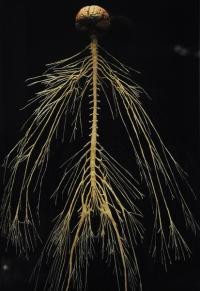
General layout of the nervous system in relation to the musculoskeletal system;
-
Tension, sliding and compression as a mechanical function of the nervous system;
-
How nerves move and nervous system responses to movement;
-
Nervous system physiology; and
-
Neurodynamics sequencing.
These correspondence courses will provide you with practical information on the concept of neurodynamics;
The information provided will assist you with the clinical reasoning for treatment of a patient with neural tissue pain disorders.
load more
3 CEUs
-
General layout of the nervous system in relation to the musculoskeletal system;
-
Tension, sliding and compression as a mechanical function of the nervous system;
-
How nerves move and nervous system responses to movement;
-
Nervous system physiology; and
-
Neurodynamics sequencing.
These correspondence courses will provide you with practical information on the concept of neurodynamics;
The information provided will assist you with the clinical reasoning for treatment of a patient with neural tissue pain disorders.
load more

3 CEUs
This correspondence course covers essential information regarding biomechanics of the neural system of the spine, shoulder, hip and knee regions.
In particular, this manual provides a detailed discussion of neural tissue biomechanics and implication for treatment of spinal and peripheral joint movement.
load more


3 CEUs
Initial brain imaging studies on recovery of motor functioning after stroke suggested their potential prognostic value in neurorehabilitation. In this clinical commentary, we propose that advances in the field of neuroimaging have relevance for the future development of neuropsychological rehabilitation.
Neuropsychological rehabilitation is entering a new era that involves collaboration with neuroimaging and associated studies on neuroplasticity.
We recognize that this may seem aspirational rather than practical in most rehabilitation settings. However, we provide examples of how this can be achieved as illustrated by collaborative efforts of clinicians and scientists in the SARAH Network of Rehabilitation Hospitals in Brazil.
We also review selective papers on neuroplasticity, spontaneous recovery and diaschisis that have relevance for research which will expand and further develop the field of neuropsychological rehabilitation.
load more

3 CEUs
-
that pain does not provide a measure of the state of the tissues;
-
that pain is modulated by many factors from across somatic, psychological and social domains;
-
that the relationship between pain and the state of the tissues becomes less predictable as pain persists; and
-
that pain can be conceptualised as a conscious correlate of the implicit perception that tissue is in danger. These issues raise conceptual and clinical implications, which are discussed with particular relevance to persistent pain.
This paper argues that the biology of pain is never really straightforward, even when it appears to be. It is proposed that understanding what is currently known about the biology of pain requires a reconceptualisation of what pain actually is, and how it serves our livelihood.
There are four key points:
Finally, this conceptualisation is used as a framework for one approach to understanding complex regional pain syndrome.
load more
3 CEUs
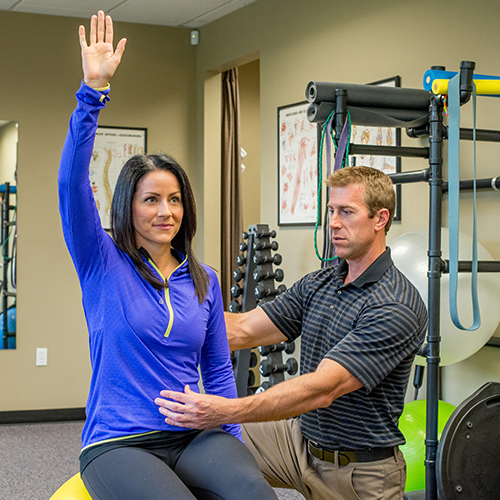
Chronic musculoskeletal pain (CMP) refers to ongoing pain felt in the bones, joints and tissues of the body that persists longer than 3 months. For these conditions, it is widely accepted that secondary pathologies or the consequences of persistent pain, including fear of movement, pain catastrophizing, anxiety and nervous system sensitization appear to be the main contributors to pain and disability.
While exercise is a primary treatment modality for CMP, the intent is often to improve physical function with less attention to secondary pathologies. Exercise interventions for CMP which address secondary pathologies align with contemporary pain rehabilitation practices and have greater potential to improve patient outcomes above exercise alone.
Biopsychosocial treatment which acknowledges and addresses the biological, psychological and social contributions to pain and disability is currently seen as the most efficacious approach to chronic pain. This clinical update discusses key aspects of a biopsychosocial approach concerning exercise prescription for CMP and considers both patient needs and clinician competencies.
load more

3 CEUs
Can Physiotherapy be used to manage adult Complex Regional Pain Syndrome Type One?
A Systematic literature review is used in an attempt to clarify this issue. Some of the findings may be surprising. In fact, no evidence was found to support treatments frequently recommended in clinical guidelines for treatment of pain in adult CRPS-1 patients.
load more

3 CEUs
This course challenges current clinical models and systems for assessing and managing on-going pain states. It evaluates the current tissue based/modality based paradigm for pain treatment.
A mature organism model is presented as a workable concept incorporating mechanisms of pain into the broad science of stress biology and the biopsychosocial model of pain.
load more

3 CEUs
Pages 5 - 16.
This section discusses the mechanisms of pain. Without being too technical and whilst not relevant to every patient, it gives good insight into nociception, the processing of nociception and the production of pain. Issues such as the modulation of pain, both habituation (turning down) and sensitization (amplification) are discussed. A basic and brief section for any patient who might want to further details about pain mechanisms is provided.
Each page can be printed separately and used as an infographic.
load more

3 CEUs
Pages 17 - 28.
The backbone of this workbook might be the most important section. Key messages are ideally delivered at the right time to the right person. They help patients reconceptualize pain, change their beliefs about pain and facilitate healthy behaviours to help with pain.
This section could be printed in its entirety, or any individual page could be printed on each patient visit and viewed as a standalone infographic.
load more
3 CEUs
Pages 29 - 46.
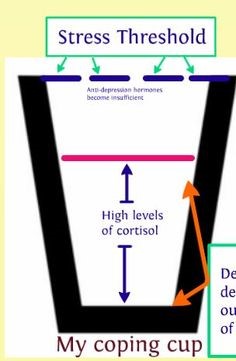
Pain is multidimensional and influenced by a number of factors besides tissue damage. This section overlaps with the Key Messages and starts to give the reader more information about potential contributors to pain. You can also view it a little like a myth debunker. We have information on posture, strength, movement habits, sitting, mechanical deformities, depression, fear and exercise. Again, each page can be used as an infographic.?
You can print parts of this section or have your patient read the whole thing.
load more
3 CEUs
Pages 47 - 71.
Pain is multidimensional and influenced by a number of factors besides tissue damage. This section overlaps with the Key Messages and starts to give the reader more information about potential contributors to pain. You can also view it a little like a myth debunker. We have information on posture, strength, movement habits, sitting, mechanical deformities, depression, fear and exercise. Again, each page can be used as an infographic.
You can print parts of this section or have your patient read the whole thing.
load more
3 CEUs
The first 5 years of life are the most vital when considering the development of a child's nervous system. In part one of this course, you will be provided with all tools necessary to complete a detailed history and examination of your young patients and an explanation of how these assessments relate to development later in life.
This course is essential for anyone wanting to be an expert in the field of paediatrics.
Part 2 focuses on common pathologies affecting children. You will learn about the different types of headaches (from migraines to headaches caused by pathology/trauma) that affect young children, how they present and how you can help. Part 2 also covers neurocutaneous syndromes like neurofibromatosis, tuberous sclerosis and Sturge-Weber syndrome, Myasthenia gravis and spinal cord injury.
This course is essential for anyone wanting to be an expert in the field of paediatrics.
In part 3, you will learn about more pathologies such as peripheral nerve injury, Tourette syndrome, neurological infection, the presentation and meaning of abnormal muscle strength reflexes, and how to assess and understand the implications of abnormal head growth. Part 3 also explores in detail cerebral palsy, vertigo, floppy infant syndrome, seizures and brain tumours.
load more

3 CEUs
The first 5 years of life are the most vital when considering the development of a child's nervous system. In part one of this course, you will be provided with all tools necessary to complete a detailed history and examination of your young patients and an explanation of how these assessments relate to development later in life.
This course is essential for anyone wanting to be an expert in the field of paediatrics.
Part 2 focuses on common pathologies affecting children. You will learn about the different types of headaches (from migraines to headaches caused by pathology or trauma) that affect young children, how they present and how you can help. Part 2 also covers neurocutaneous syndromes like neurofibromatosis, tuberous sclerosis and Sturge-Weber syndrome, Myasthenia gravis and spinal cord injury.
This course is essential for anyone wanting to be an expert in the field of paediatrics.
In part 3, you will learn about more pathologies such as peripheral nerve injury, Tourette syndrome, neurological infection, the presentation and meaning of abnormal muscle strength reflexes, and how to assess and understand the implications of abnormal head growth. Part 3 also explores in detail cerebral palsy, vertigo, floppy infant syndrome, seizures and brain tumours.
load more
3 CEUs
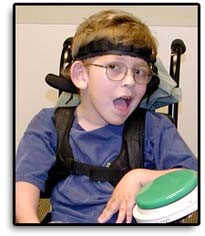
The first 5 years of life are the most vital when considering the development of a child's nervous system. In part one of this course, you will be provided with all tools necessary to complete a detailed history and examination of your young patients and an explanation of how these assessments relate to development later in life.
In part 3, you will learn about more pathologies such as peripheral nerve injury, Tourette syndrome, neurological infection, the presentation and meaning of abnormal muscle strength reflexes, and how to assess and understand the implications of abnormal head growth. Part 3 also explores in detail cerebral palsy, vertigo, floppy infant syndrome, seizures and brain tumours.
After completing the three-part course, you will have gained significant knowledge to make you more confident when dealing with complicated paediatric cases.
This course is essential for anyone wanting to be an expert in the field of paediatrics.
load more

3 CEUs
Attention-deficit/hyperactivity disorder (AD/HD) is the name given to a common but complex biological disorder characterised by excessive inattentiveness, impulsiveness or hyperactivity that significantly impairs a child?s functioning in a number of environments.?
This course will describe the behaviours associated with AD/HD, diagnostic criteria, and Etiology including educational and family factors.?
The management programme that appears to have the best chance of success uses a combination of therapeutic approaches. The role of medication will be discussed in detail. Other approaches recommend the education of?parents and improved communication between the parents, the treating doctor and the school.
?
load more

3 CEUs
Infantile colic is a term used by many to describe a consistently unsettled baby. But in truth, it is so much more than that.
Discover what is a classical clinical presentation, how to diagnosis it and what many causes may be. From protein and carbohydrate intolerance to gastroesophageal reflux and intussusception, you will learn how to identify it, when to refer out.
load more

3 CEUs
Which is the best way to move or assist stroke patients? Are you still using the pivot assisted transfer method? Isn't that physically dangerous? And if so, what should you do?
This on-line course looks at the controversy surrounding handling techniques for patients requiring neurological rehabilitation.
load more
3 CEUs
- the functional anatomy of the shoulder complex;
- the key features of the clinical history;
- how to conduct a swift and effective physical examination;
- investigations;
- treatment of important shoulder conditions; and
- the prescription for practical shoulder rehabilitation.
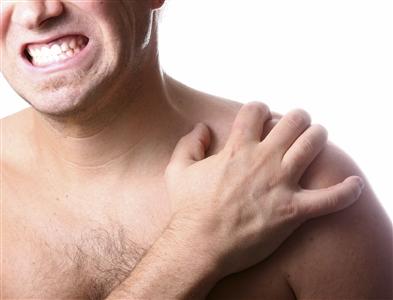
In recent years, there have been many advances in the assessment and treatment of shoulder pain. Part one of these on-line courses reviews:
Part 2 focuses on mechanism of injury, assessment and rehabilitation of the rotator cuff.
load more
3 CEUs
- the functional anatomy of the shoulder complex;
- the key features of the clinical history;
- how to conduct a swift and effective physical examination;
- investigations;
- treatment of important shoulder conditions; and
- the prescription for practical shoulder rehabilitation.
In recent years, there have been many advances in the assessment and treatment of shoulder pain. Part one of these on-line courses reviews:
Part 2 focuses on mechanism of injury, assessment and rehabilitation of the rotator cuff.
load more

3 CEUs
These courses are based on the physiology and biomechanics of the shoulder. They provide very effective rehabilitation protocols in terms of return to play. They will assist you to diagnose not only local anatomical lesions, such as rotator cuff tear or Bankart lesion, but also the biomechanical deficits that exist in the shoulder girdle and spine.
But that's not all. Distant disorders such as inflexibilities of hip rotation, short hamstrings, or the stiff back also often contribute to shoulder abnormalities. The course will enable you to make a complete diagnosis and to look beyond the injured tissues to tissues that may be overloaded.
You will also learn to detect functional biomechanical deficits as well as the subclinical adaptations that sports people use to try to maintain performance.
load more
3 CEUs
These courses are based on the physiology and biomechanics of the shoulder. They provide very effective rehabilitation protocols in terms of return to play. They will assist you to diagnose not only local anatomical lesions, such as rotator cuff tear or Bankart lesion, but also the biomechanical deficits that exist in the shoulder girdle and spine.
But that?s not all. Distant disorders such as inflexibilities of hip rotation, short hamstrings, or the stiff back also often contribute to shoulder abnormalities. The course will enable you to make a complete diagnosis and to look beyond the injured tissues to tissues that may be overloaded.
You will also learn to detect functional biomechanical deficits as well as the subclinical adaptations that sports people use to try to maintain performance.
load more

3 CEUs
This systematic review examines the evidence around the interventions required to improve handwriting outcomes in children with handwriting difficulties.
load more
3 CEUs
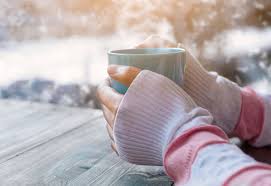
A home treatment program using a classical conditioning procedure to decrease cold hypersensitivity has potential to reduce symptoms.
The purpose of this study was to evaluate a home treatment program for cold hypersensitivity using a classical conditioning procedure in patients who are cold hypersensitive after hand and arm injuries.
These preliminary results suggest that the classical conditioning procedure to treat cold hypersensitivity has potential.
load more