3 CEUs
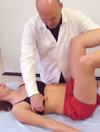
Background: Rehabilitation of upper extremity hemiplegia after stroke remains a great clinical challenge, with only 20% of patients achieving a basic return to normal hand function. How to promote the recovery of motor function at an early stage is crucial to the life of the patient.
Conclusion: The application of additional mirror therapy training should be reconsidered to improve upper extremity motor in stroke patients.
load more

3 CEUs
Vestibular rehabilitation therapy (VRT) is an exercise-based treatment program designed to promote vestibular adaptation and substitution. The goals of VRT are 1) to enhance gaze stability, 2) to enhance postural stability, 3) to improve vertigo, and 4) to improve activities of daily living.
load more

3 CEUs
Neurological examination in musculoskeletal practice is a key element of safe and appropriate orthopedic clinical practice. With physiotherapists currently positioning themselves as advanced first line practitioners, it is essential that those who treat patients who present with neck/head/orofacial pain and associated symptoms, should have an index of suspicion of cranial nerve (CN) dysfunction.
load more
3 CEUs
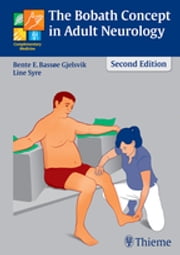
Background: Future development in neurorehabilitation depends upon bringing together the endeavors of basic science and clinical practice. The Bobath concept is widely utilized in rehabilitation following stroke and other neurological conditions.
This concept was first developed in the 1950s, based on the neuroscience knowledge of those times.
Purpose: The theoretical basis of the Bobath concept is redefined based on contemporary neuroscience and rehabilitation science. The framework utilized in the Bobath concept for the analysis of movement and movement dysfunction is described.
This framework focuses on postural control for task performance, the ability to move selectively, the ability to produce coordinated sequences of movement and vary movement patterns to fit a task, and the role of sensory input in motor behaviour and learning.
The article describes aspects of clinical practice that differentiate this approach from other models of practice. Contemporary practice in the Bobath concept utilizes a problem-solving approach to the individual's clinical presentation and personal goals.
Treatment is focused toward remediation, where possible, and guiding the individual towards efficient movement strategies for task performance.
load more

3 CEUs
Complex regional pain syndrome (CRPS) is a complex disorder that can have a significant impact on the quality of life of a person with this syndrome. The diagnosis and treatment of CRPS are often difficult as there is no one confirmatory test and no one definitive treatment.
Currently, the most widely accepted clinical diagnostic criteria are the Budapest criteria, which were developed by expert consensus. Though no one single treatment has been found to be universally effective, early detection and an interdisciplinary approach to treatment appear to be key in treating CRPS.
This review aims to present up-to-date clinical information regarding the diagnosis and management of CRPS and highlight the potential issues with diagnosis in the neurological population.
load more

3 CEUs
The management of pain in persons with neurological injuries is challenging and complex. A holistic view and clinical approach are necessary when addressing pain in patients with neurological impairment because interpreting signs and symptoms and deciphering sources of pain is never a straightforward process.
This problem is further magnified with the management of central pain syndromes. The best approach is to have a good understanding of the clinical characteristics commonly found in this patient population, in particular for patients with stroke, multiple sclerosis (MS), or spinal cord injury (SCI), as central pain manifests differently between these groups.
This paper will focus on the history, clinical presentation, pathophysiology, assessment, and treatment of central pain in patients with these types of neurological conditions. In addition to being at risk for a decline in quality of life, patients with pain syndromes are also prone to adverse responses to treatments (e.g., opioid addiction).
It is therefore important to methodically analyze the similarities and differences between patients with different pain syndromes.
load more
3 CEUs
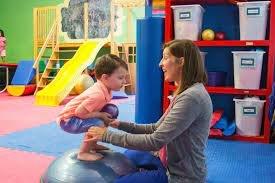
Background: Neuro-Developmental Treatment (NDT) currently embraces evidence-based concepts of motor control, motor learning and neuroplasticity. However, most research has been performed on outdated models of NDT.
Objective: This case series examines the short- and long-term outcomes of a three-week intensive using contemporary NDT interventions.
Methods: Six children, 2?10 years old with neurologic disorders and Gross Motor Function Classification System (GMFCS) levels I-III participated in the intervention. The three-week intensive included 60 minutes of physical, occupational and speech therapy 3-5 times weekly.
Results: All children demonstrated Gross Motor Function Measure-66 gains of medium to large effect sizes. These gains were maintained or improved upon 3 months' post conclusion of the intensive intervention.
Conclusions: This study supports emerging research regarding the effectiveness of intensive intervention and further study of current NDT interventions.
load more

3 CEUs
Amyotrophic Lateral Sclerosis (ALS) is a progressive neuromuscular disease for which there is no cure. There is a general misunderstanding among healthcare professionals of the proper use and potential benefits of physical and occupational therapy to treat the symptoms and resulting loss of independence.
These services can help maximize mobility and comfort through equipment prescription, activity adaptation, patient and family education, and the use of appropriate exercise and range of motion techniques.
The literature is controversial on the prescription of exercise in this population. Individual muscle strength, fatigue and spasticity must all be taken into account when discussing exercise with persons with ALS.
It can be concluded that physical and occupational therapy intervention is beneficial to persons with ALS. However, more research is needed to decisively determine the effects of exercise on the person with ALS.
load more

3 CEUs
Initial brain imaging studies on recovery of motor functioning after stroke suggested their potential prognostic value in neurorehabilitation. In this clinical commentary, we propose that advances in the field of neuroimaging have relevance for the future development of neuropsychological rehabilitation.
Neuropsychological rehabilitation is entering a new era that involves collaboration with neuroimaging and associated studies on neuroplasticity.
We recognize that this may seem aspirational rather than practical in most rehabilitation settings. However, we provide examples of how this can be achieved as illustrated by collaborative efforts of clinicians and scientists in the SARAH Network of Rehabilitation Hospitals in Brazil.
We also review selective papers on neuroplasticity, spontaneous recovery and diaschisis that have relevance for research which will expand and further develop the field of neuropsychological rehabilitation.
load more

3 CEUs
BACKGROUND: The improvement of the upper limb disability, which is mainly caused by stroke, is still one of the rehabilitation treatment challenges. However, the effectiveness of task-based mirror therapy (TBMT) on subacute stroke with moderate and severe upper limb impairment has not been deeply explored.
AIM: The purpose of this study was to investigate the effects of TBMT, in comparison to occupational therapy, in moderate and severe upper limb impairment by analyzing the motor function and activities of daily living in subacute stroke patients.
CONCLUSIONS: This study shows that the combination of conventional rehabilitation treatment and TBMT is an effective way to improve the functional recovery in the upper limb stroke patients.
CLINICAL REHABILITATION IMPACT: TBMT is a therapeutic technique that can be used in subacute stroke patients with moderate and severe upper limb impairment.
load more
3 CEUs
BACKGROUND: A large proportion of individuals with a stroke are unable to return to work, although figures vary greatly. Due to the very high cost of post-stroke care, both tangible and intangible, in the form of long-term social consequences, it seems extremely important to search for factors responsible for the low efficiency of the rehabilitation and recovery process, because this fact has direct influence on future employment.
Such knowledge would enable physiotherapists and occupational therapists to quickly identify those patients who are at risk of rehabilitation breakdown, in order to provide them with special care and include them in intensive therapeutic treatments.
OBJECTIVE: The aim of the study was to assess the efficacy of post-stroke rehabilitation, evaluated within the biopsychosocial aspect.
RESULTS: Statistical analyzes show that patient's age, time since stroke, number of comorbidities, family care capacity, marital status of the patient and also a low level of acceptance of illness, depression symptoms and lack of a sense of self-efficacy were related with low efficacy of post-stroke rehabilitation.
CONCLUSIONS: Comprehensive neurological rehabilitation, taking into account mental challenges and socio-economic circumstances of individuals with a stroke is essential in order to achieve high efficacy of physiotherapy and occupational therapy.
Important external factors may play a pivotal role in returning to work as well and should be taken into account during rehabilitation.
load more
3 CEUs
Shoulder pain after a cerebrovascular accident or traumatic brain injury is a common but often under-recognized problem. It is due to a number of causes including inferior subluxation, spasticity, adhesive capsulitis, and heterotopic ossification. Many of these are amenable to surgical intervention.
load more

3 CEUs
Prediction of voluntary upper extremity (UE) movement recovery is largely unknown in patients with little voluntary UE movement at admission.
The present study aimed to investigate
(1) the extent and variation of voluntary UE movement recovery, and
(2) the best predictive model of the recovery of voluntary UE movement by clinical variables in patients with severe UE paresis.
load more
3 CEUs
Pusher syndrome is characterised by the patient pushing towards the hemiparetic side with the contralateral side, in a sitting position, standing and during movement, surpassing the gravitational mean line, which produces inappropriate adjustment and postural control.
The purpose of this online course was to determine the effectiveness of physiotherapy treatment in post-stroke pusher syndrome and to extract guidelines for its correct identification and interdisciplinary approach.
load more

3 CEUs
The purpose of this online course was to investigate the effectiveness of trunk training on trunk control, sitting and standing balance and mobility.
load more

3 CEUs
Which is the best way to move or assist stroke patients? Are you still using the pivot assisted transfer method? Isn't that physically dangerous? And if so, what should you do?
This on-line course looks at the controversy surrounding handling techniques for patients requiring neurological rehabilitation.
load more