
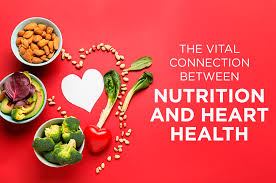
This study aims to appraise existing evidence-based research on the importance of diet on cardiovascular disease (CVD) risk biomarkers, specifically, the effects of dietary patterns, specific foods, and constituents including vitamins/minerals and plant-derived bioactive compounds on CVD risk.
Plant-based dietary patterns rich in minimally processed foods, vegetables, and fruits reduce CVD risk, while patterns rich in ultra-processed foods, meat, salt, sugar, and saturated fat increase risk. The Mediterranean, Dietary Approaches to Stop Hypertension, and vegetarian diets reduce CVD risk, while vegan diets offer no additional benefit. Low-carbohydrate diets may be beneficial, but their long-term effect remains to be confirmed. Balanced distribution of caloric intake through different meals is associated with favourable effects. Fasting (e.g. alternate-day, intermittent, time-restricted, and periodic) can reduce CVD risk but is often challenging.