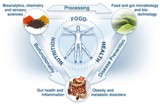
- New
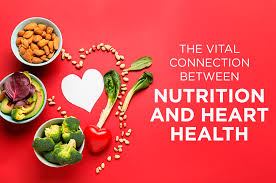
3 CEUs
This study aims to appraise existing evidence-based research on the importance of diet on cardiovascular disease (CVD) risk biomarkers, specifically, the effects of dietary patterns, specific foods, and constituents including vitamins/minerals and plant-derived bioactive compounds on CVD risk.
Plant-based dietary patterns rich in minimally processed foods, vegetables, and fruits reduce CVD risk, while patterns rich in ultra-processed foods, meat, salt, sugar, and saturated fat increase risk. The Mediterranean, Dietary Approaches to Stop Hypertension, and vegetarian diets reduce CVD risk, while vegan diets offer no additional benefit. Low-carbohydrate diets may be beneficial, but their long-term effect remains to be confirmed. Balanced distribution of caloric intake through different meals is associated with favourable effects. Fasting (e.g. alternate-day, intermittent, time-restricted, and periodic) can reduce CVD risk but is often challenging.
load more
- New
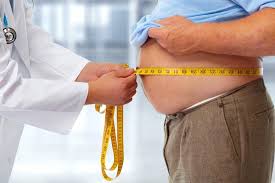
3 CEUs
“Precision nutrition” is an emerging area of nutrition research that focuses on understanding metabolic variability within and between individuals and helps develop customized dietary plans and interventions to maintain optimal individual health.
It encompasses nutritional genomic (gene-nutrient interactions), epigenetic, microbiome, and environmental factors. Obesity is a complex disease that is affected by genetic and environmental factors and thus a relevant target of precision nutrition-based approaches.
load more

3 CEUs
Protein. It's been identified as being both detrimental and beneficial to bone health.
Given the high prevalence of osteoporosis and sarcopenia, should health professionals recommend an increase in protein intakes? Well, it depends on a variety of factors.
This course briefly describes these factors and their relation to bone health. Loss of bone mass (osteopenia) and loss of muscle mass (sarcopenia) that occur with age are also discussed in depth.
load more

3 CEUs
-
Does diet influence systemic inflammation and if so, how?
-
Insulin Resistance, an important factor in many pathologies;
-
How to recognise Insulin Resistance;
-
Benefits of a Low Glycemic Index (GI) diet;
Learn about Low GI anti-inflammatory diet.
Amazing evidence-based clinical tips:
Important components of a Low GI, anti-inflammatory diet.
load more

3 CEUs
-
How dietary recommendations help reduce systematic inflammation;
-
The effect of injury on energy and protein requirements;
-
What happens to patient outcome and athletic performance when the metabolism is supported with the right macro nutrients; and
-
Bio availability of different mineral sources.
Discover:
load more

3 CEUs
-
Degenerative Joint Disease;
-
Osteoporosis;
-
Fibromyalgia, Chronic Fatigue and Myofascial Pain Tunnel Syndrome and Carpal Tunnel Syndrome; and
-
more
Prescribe Nutrition Treatment protocols for your musculoskeletal patients presenting with:
load more