
- New
3 CEUs
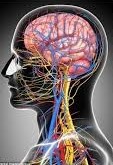
Childhood adversity is associated with a host of mental and physical health problems across the lifespan. Individuals who have experienced childhood adversity (e.g., child abuse and neglect, family conflict, poor parent/child relationships, low socioeconomic status or extreme poverty) are at a greater risk for morbidity and premature mortality than those not exposed to childhood adversity.
Several mechanisms likely contribute to the relationship between childhood adversity and health across the lifespan (e.g., health behaviors, cardiovascular reactivity). In this paper, we review a large body of research within the field of psychoneuroimmunology, demonstrating the relationship between early life stress and alterations of the immune system.
We first review the literature demonstrating that childhood adversity is associated with immune dysregulation across different indices, including proinflammatory cytokine production (and its impact on telomere length), illness and infection susceptibility, latent herpesvirus reactivation, and immune response to a tumor. We then summarize the growing literature on how childhood adversity may alter epigenetic processes.
load more
- New

3 CEUs
Depression and inflammation fuel one another. Inflammation plays a key role in depression’s pathogenesis for a subset of depressed individuals; depression also primes larger cytokine responses to stressors and pathogens that do not appear to habituate. Accordingly, treatment decisions maybe informed by attention to questions of how (pathways) and for whom (predispositions) these links exist, which are the focus of this article. When combined with predisposing factors (moderators such as childhood adversity and obesity), stressors and pathogens can lead to exaggerated or prolonged inflammatory responses.
load more
- New
3 CEUs
Three psychosocial variables were examined as predictors of chronic inflammation, functional health, and number of chronic conditions.
Adaptive psychosocial beliefs and supportive relationships are important as they can provide motivation for engaging in health-promoting behaviors and can reduce stress that can lead to chronic inflammation and poor health. The results can inform a psychosocial prescription for health.
load more
3 CEUs
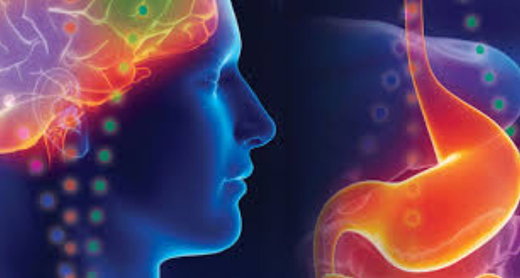
This online learning describes Psychoneuroimmunology (PNI), which is the study of the interaction between psychological processes and the nervous and immune systems of the human body. PNI takes an interdisciplinary approach, incorporating psychology, neuroscience, immunology, physiology, genetics and pharmacology.
The course also discusses the history/origin of PNI, the immune-brain loop and understanding stress and immune function.
load more

3 CEUs
How do stressful events and negative emotions influence the immune system, and how big are the effects?
New multidisciplinary permutations provide fresh vistas and emphasize the importance of training psychologists more broadly so that they will be central and essential players in the advancement of biomedical science.
*Fast track = fast track your learning with our short online courses
load more

3 CEUs
In this on-line course, we use a PNI lens to understand and describe the complex influences of biology and psychology on inflammation. Inflammation is an underlying etiological factor in many chronic diseases.
A brief description of brain-immune communication is first introduced as background, followed by a summary of inflammation's effect on health.
The biological, psychological, and psychosocial influences on inflammation are then discussed, followed by a review of inflammation and cellular aging.
load more

3 CEUs
The increased morbidity and mortality associated with depression is substantial. In this paper, we review evidence suggesting that depression contributes to disease and death through immune dysregulation.
This review focuses on recent human studies addressing the impact of depression on immune function, and the health consequences of those changes. There is growing evidence that depression can directly stimulate the production of proinflammatory cytokines that influence a spectrum of conditions associated with aging, including cardiovascular disease, osteoporosis, arthritis, type 2 diabetes, certain cancers, periodontal disease, frailty, and functional decline.
Additionally, depression can down-regulate the cellular immune response; as a consequence, processes such as prolonged infection and delayed wound healing that fuel sustained proinflammatory cytokineproduction may be promoted by depression.
These direct and indirect processes pose the greatest health risks for older adults who already show age-related increases in proinflammatory cytokine production. Thus, aging interacts with depression to enhance risks for morbidity and mortality.
load more

3 CEUs
We suggest that a key pathway through which chronic stress and depression influence health outcomes involves proinflammatory cytokines. We discuss the evidence for relationships between psychosocial factors and proinflammatory cytokines, and important health implications of these findings.
load more


