
- Video
1 Video, 2 online articles
9 Ceu's Package, Wilma Erasmus - MSc PT (Wits) Nat Dip PT (Pta)
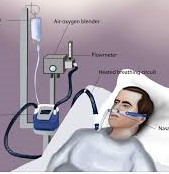
Over the past decade, significant advancements have been made in the development of devices to aid in the respiratory management of patients. This two-hour webinar delves into the mechanics and usage of these innovative devices.
Understanding these devices enables health care providers to select the most appropriate device for each patient and ensure the correct technique is used for their specific condition. This should enhance treatment outcomes and patient satisfaction.
The webinar focuses on mechanical airway clearance devices and supplementary oxygen delivery systems. Additionally, we will explore emerging technologies in respiratory care and discuss best practices for integrating these devices into standard patient care plans.
- Video

-
Video: Tips for Success - 3 Ceu's to the value of R550
-
Article: Ethical leadership as a requirement to develop and enhance your private practice - 3 Ceu's in Ethics to the value of R550
- Video 1 - Ethics.
- Video 2 - Strategic Management.
- Video 3 - Marketing.
- Video 4 - Human Resources Management.
- Video 5 - Financial Management
- Video 6 - Business Tips.
6 Videos
21 Ceu's Package including 8 in Ethics, Wilma Erasmus - MSc PT (Wits) Nat Dip PT (Pta)
Receive free bonus gifts:
As a private health sector entrepreneur, your success depends on both your passion and vision – as well as your strong business skills.
Video titles:
- Video

4 Videos
12 Ceu's Package including 2 in Ethics, Wilma Erasmus - MSc PT (Wits) Nat Dip PT (Pta)
Keeping abreast of the latest research in today’s dynamic health sector is vital for the effective management of any patient. This is even more important in the management of the critical ill patient. As this physiotherapy field evolve, upskilling ensures you can adapt to changing demands, making you an asset in the multi-disciplinary team in ICU, and it makes no difference of you are in the private or public sector.
During this online video course, the aim will be to refresh your knowledge of the management of critically ill patients especially those in ICU. By the end of the course participant should have a broader understanding of the latest evidence in this field of physiotherapy and the practical application of it.
New evidence in this field of physiotherapy will be discussed and old ideas and treatment regimens will be challenged and scrutinized. Important ethical issues such as ethical reasoning, palliative care and informed consent will also be cover.
We will revise some physiology, anatomy, outcome measures and assessments that is applicable and important in the management of this cohort of patients. Mechanical ventilation, modes and weaning protocols will form part of the course as well as the safety aspect of early mobilisation and rehabilitation of the critically ill patient.
- Video
-
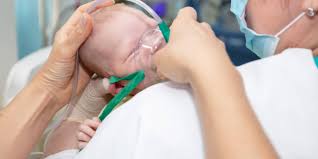
Understand the basic difference between the adult and neonatal respiratory system.
-
Understand neonatal respiratory conditions. Identify common respiratory conditions affecting neonates.
-
Develop physiotherapy patient-centered management plans that are safe and evidence-based for this cohort of patients.
-
Integrate current research and trends in neonatal respiratory physiotherapy into clinical practice.
1 Video
3 Ceu's Package, Wilma Erasmus - MSc PT
This 3-hour course equips physiotherapists, interested in neonatal respiratory care with knowledge and skills to manage neonatal respiratory conditions effectively and safely. Participants will learn to assess and develops evidence-base physiotherapy management plans, incorporating the latest research and trends in neonatal respiratory care. The course will cover a revision of pathology, anatomy, and physiotherapy techniques, enabling physiotherapists to provide optimal care for neonates with respiratory conditions.
Course Objectives:
- Video

3 Videos, 1 online article
12 Ethics Ceu's Package, Wilma Erasmus MSc PT
The HPCSA has reviewed and updated the Guide to Record Keeping in November 2022. This reviewed document contains some significate updates that health care providers need to implement.
During this online course the new guideline will be unpacked and the practical applications for health care providers explained. The various reasons for keeping good clinical notes will also be explained.
After completing this course the participants should have an understanding of the requirements of the HPCSA in this regards and also understand the various reasons for keeping good, comprehensive clinical notes.
- Video

3 Videos
9 Ethics Ceu's Package, Wilma Erasmus MSc PT
The HPCSA has reviewed and updated the Guide to Record Keeping in November 2022. This reviewed document contains some significate updates that health care providers need to implement.
During this online course the new guideline will be unpacked and the practical applications for health care providers explained. The various reasons for keeping good clinical notes will also be explained.
After completing this course the participants should have an understanding of the requirements of the HPCSA in this regards and also understand the various reasons for keeping good, comprehensive clinical notes.
- Video

7 Videos + 3 online articles + 1 Ethics course
30 Ceu's Package, Dr Jason Tee - PhD (Exercise Science), UJ; M.Sc (Exercise Science), Wits; PGCE (Post-Graduate Certificate in Education), UNISA; B.Sc. Hons (Exercise Science) UCT and Eurico Marques - BSc Physiotherapy (Wits)
NB: PLEASE NOTE THAT THERE IS NO TEST FOR THE FIRST VIDEO CALLED: PRINCIPLES FOR STRENGTH AND CONDITIONING, RETURN TO SPORT CONTINUUM - INTRODUCTION.
This online course facilitates the development of a fundamental understanding of strength and conditioning training principles for sports injury rehabilitation!

- Video

5 Videos, 5 online articles + 1 Ethics course
36 Ceu's Package, Arie Michaeli - MSc PT, MCMT
Abstract (5 modules)
As therapists, we often recommend exercise to reduce patients' musculoskeletal (MSK) pain, as well as increase their active range of motion and muscle strength. However, clinicians face a challenge when recommending exercise to reduce MSK pain because the pain itself often inhibits the patient's ability to exercise or perform activities of daily living. This situation becomes even more challenging if the prescribed exercise program aggravates the individual's pain.
This 5-module course including cervical, thoracic, lumbar, hip and knee and shoulder regions describes a method which provides for the effective treatment of MSK disorders by allowing patients to exercise pain free earlier in the rehabilitation process.
The method comprises a unique approach utilizing the following four components simultaneously from the onset of treatment: isometric muscle contraction; assisted active oscillatory mobilization; end-of-range passive stretch; and mindfulness.
- Video

5 Videos, 5 online articles + 1 Ethics course
33 Ceu's Package, Gareth Devine - MSc (Wits) Med Biokinetics; BAHons (Wits) Phys Ed; Sports Science and Biokinetics (UJ); PGCE (Wits), Arie Michaeli - MSc PT, MCMT, Clare Ann Kilroe - BSc PT