
- Video
1 Video
3 Ceu's Package, Dr. Adam Cunliffe - MSc and PhD in Human Nutrition
This video explores the basics of the immune system and the role of nutrition in maintaining best defence against infectious and non-infectious disease states. Topical examples from infectious and non-communicable diseases (cancer and cardiovascular disease) will be examined with effective practical diet and supplement advice on how to minimize both risks and consequences.
Evidence based but accessible, this Webinar is suitable for all those interested in how to optimize immune function using nutrition.
- Video
-
All human physical activity is exercise
-
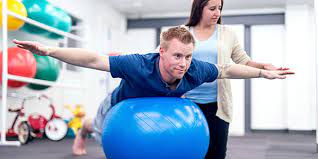
Be inducted to the life gym using daily activities for rehabilitation
-
Discover functioncise: exercise prescription without exercise
-
Learn to construct a personalised and condition specific exercise management
1 Video
3 Ceu's Package, Dr Eyal Lederman - PhD in Physiotherapy (PT)
In this online video workshop Dr Lederman will explore exercise prescription from an osteopathic Process Approach perspective. This approach aims to identify the dominant recovery processes associated with the patient's complaint and provide a management that is patient and condition specific. This unique osteopathic approach uses the individual's own movement repertoire found in daily tasks and activities to provide the necessary movement challenges to support recovery.
The workshop will look at the timescales for commencement of exercise after injury, surgery and chronic musculoskeletal conditions. It will also explore how to challenge movement losses in the presence of pain; in particular, identifying when physical loading is safe and beneficial. The workshop will also discuss exercise prescription in relation to enhancing physical and sports performance.
The workshop is modeled on a functional approach in which the movement challenges are derived from the individual's own movement repertoire. A functional approach is different to traditional remedial exercise practices that are mostly derived from the fitness/strength and conditioning industry. These traditional approaches are often unsuitable and ineffective for individuals recovering from various musculoskeletal and pain conditions.
Condition specific management will be explored through a Process Approach. There are three primary processes underlying recovery from all musculoskeletal and pain conditions: repair, adaptation and modulation of symptoms. In the workshop the participants will learn how to supports these processes with remedial activities/exercise.
In this workshop the participants will learn a current, science informed, approach that can provide a therapeutic continuum between the clinical session and the patient's environment. This approach will allow you to develop more effective remedial and self-care exercise management that can be applied to a wide range of musculoskeletal and pain condition.
In the workshop you will explore how your own remedial approaches can be integrated into the management. Overall, the workshop will provide you with knowledge to develop suitable movement/exercise and self-care plans to further assist the pace and success of your patients' recovery.
- Video
1 Video
3 Ceu's Package, Prof Tim Watson - PhD BSc MCSP DipTp
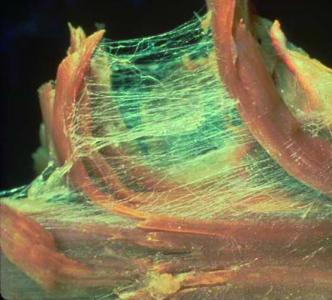
In this online video workshop Prof. Tim Watson will examine the processes underlying tissue repair. There will be a discussion of the research, exploring the key events, control systems and the various influences of therapy interventions. This knowledge will provide a clinical basis for future treatment and an enhanced rationale for clinical decision-making in this area.
The content of the online workshop will remain clinically relevant to enable immediate application.
- Video
-
Can the motor system be controlled by proprioceptors, i.e. control of muscle tone?
-
Are there proprioceptive specific exercises?
-
Is fascia the largest sensory organ in the body?
-
Can proprioception improve/recover with manual therapy?
1 Video
3 Ceu's Package, Dr Eyal Lederman - PhD in Physiotherapy (PT)
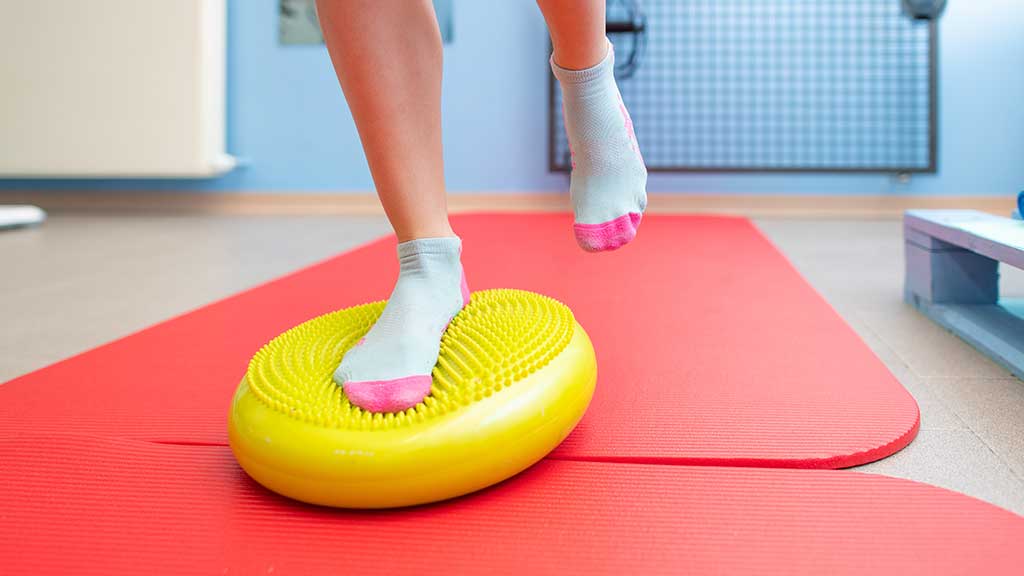
In this online video workshop Dr. Eyal Lederman will explore the role of proprioception in human movement, how this system is affected and recovers in musculoskeletal and pain conditions and how this recovery can be enhanced in rehabilitation.
Proprioception is an area in physical therapies and training where facts are mixed with therapeutic myths to the detriment of effective management. This workshop will aim to untangle this mix and provide the participants with a better understanding of how to work more effectively with proprioception.
Other topics explored in the workshop include:

- Video

Patellar tendinopathy is characterised by localised anterior pain and is related to an increase load on the knee extensor muscles. Achilles tendinopathy is a common overuse injury caused by repetitive energy storage and release with excessive compression.
Treatment should be individualised to each patient and their activities. It is important as a clinician to understand the pathology and the evidence-based practice for rehabilitating a person with tendon pain.
The course will provide you with an overview of the pathology and different therapeutic approaches and different clinical presentations of patellar versus Achilles tendinopathy. The medical and physiotherapy management of these conditions will be discussed.
- Video

5 Videos, 5 online articles + 1 Ethics course
33 Ceu's Package, Gareth Devine - MSc (Wits) Med Biokinetics; BAHons (Wits) Phys Ed; Sports Science and Biokinetics (UJ); PGCE (Wits), Arie Michaeli - MSc PT, MCMT, Clare Ann Kilroe - BSc PT
- Video

- ACL and the different ways the ACL can be injured.
- The importance of pre-rehabilitation before an ACL operation
- Later phase of the ACL rehabilitation (Criteria based)
- Return to Sport assessment for ACL
- Assessment of the knee after ACL operation?
- RTS assessment and what I look for before clearance to sport
1 Video
3 Ceu's Package, Gareth Devine - MSc (Wits) Med Biokinetics; BAHons (Wits) Phys Ed; Sport Science and Biokinetics (UJ); PGCE (Wits)
The video will cover the following:
Theory
Practical
- Video

1 Video
3 Ceu's Package, Gareth Devine - MSc (Wits) Med Biokinetics; BAHons (Wits) Phys Ed; Sport Science and Biokinetics (UJ); PGCE (Wits)
Tendinopathy is a clinical diagnosis of pain and dysfunction in a tendon. It most commonly affects athletes from adolescence through to the fourth decade of life. This condition affects health and quality of life by limiting sports and activity participation for recreational athletes and can be career-ending for professional athletes. Once symptoms are aggravated, activities of daily living are affected.
Tendinopathy clinically presents as localised pain at the proximal or distal tendon attachment to bone with high-level tendon loading, such as jumping and changing direction. It is commonly clinically diagnosed in conjunction with imaging (ultrasound or magnetic resonance where structural disruptions on the scans represent areas of tendon pathology. Importantly, there is a disconnection between pathology on imaging and pain; it is common to have abnormal tendons on imaging in people with pain-free function.
Treatment of tendinopathy may involve prolonged rehabilitation and can ultimately be ineffective. Management is limited by a poor understanding of how this condition develops, limited knowledge of risk factors and a paucity of time-efficient, effective treatments. This webinar discusses the prevalence of tendinopathy, associated and risk factors, assessment techniques and treatment approaches that are based on evidence where possible, supplemented by expert opinion. This webinar utilizes videos of practical rehabilitation.