- New

3 CEUs
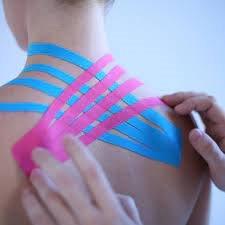
This article reviews the history of sports medicine from Biblical times up until the late 1960s.
In the 1970s, the “jogging boom” and the advocacy of Dr George Sheehan put podiatric medicine on the map with regards to sports medicine.
Rationale as to why podiatric medicine should be a member of the sports medicine team is given, as well as actual examples of such collaboration.
load more
- New
3 CEUs
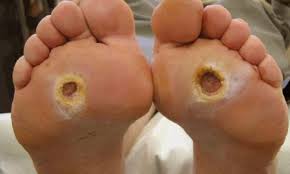
A multidisciplinary approach to care for the diabetic foot is recommended, which includes annual (3-month intervals in high-risk patients) assessments by a primary care physician and referral to a podiatrist and vascular surgeon for diabetics with a foot ulcer for evaluation of foot arterial perfusion and off-loading therapy to reduce plantar skin pressure with walking.
load more
- New
3 CEUs
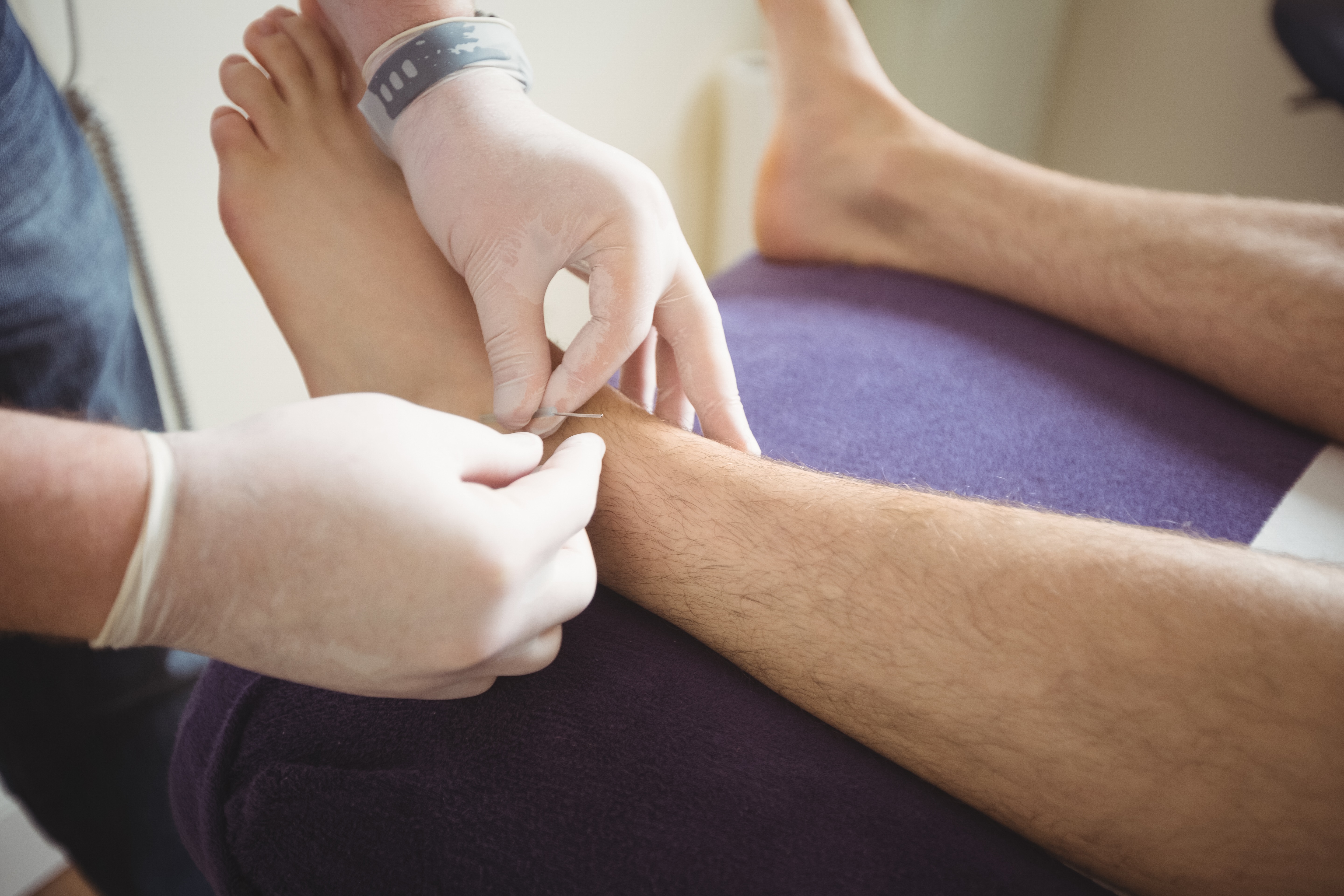
In this paper, we aim to explore how diabetic foot outcomes can be improved by addressing not only the physical but also the psychological and biomechanical aspects that are integral to the development of this condition and its optimal resolution. We explore new technologies that allow for non-invasive objective assessment of the diabetic foot at risk, and we also explore the role of understanding biomechanics, which is essential to determining risk of foot disease, but also the potential for recurrence.
In addition, we discuss the evidence linking depression and cognitive impairment to diabetic foot disease and offer our insight on the research direction required before implementing novel information into front-line clinics.
load more
3 CEUs
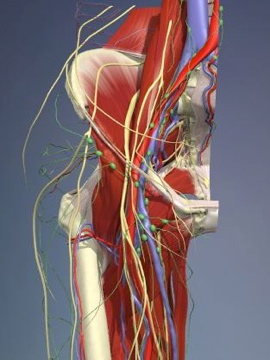
Chronic groin pain is a common problem in athletes. The multifactorial nature and the various anatomical structures that contribute to groin pain have made the condition difficult to prevent and manage. Early detection and intervention are the keys to optimal management and prevention of chronic injury.
This course provides the clinician and podiatrist in particular with an understanding of the entity, focuses on the biomechanical risks associated with groin pain from a lower extremity perspective and introduces the role of podiatry as an effective adjunct to the multi-disciplinary groin management team.
load more
3 CEUs
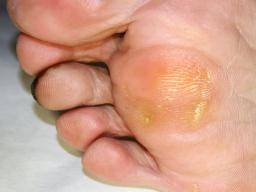
Hyperkeratosis is the most common disorder of the adult foot. In most cases the causes are mechanical in nature and should be managed appropriately.
A minority of cases are caused by a range of other conditions. Effective treatment for these requires a firm diagnosis. Where the aetiology is uncertain referral to a specialist should be sought.
load more
3 CEUs
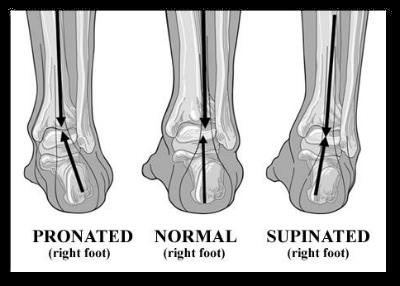
Excuse the pun, but the feet are the foundation for running mechanics. If you are interested in knowing more about running mechanics and how this affects virtually the entire body, you cannot ignore the feet.
This e-Learning course is the foundation for running mechanics and will provide you with a systematic method for clinical gait assessment and so much more.
load more
3 CEUs
Excuse the pun but the feet are the foundation for running mechanics. If you are interested in knowing more about running mechanics and how this affects virtually the entire body, you cannot ignore the feet.
This e-Learning course is the foundation for running mechanics and will provide you with a systematic method for clinical gait assessment and so much more.
load more

3 CEUs
Matching a foot and shoe is a process that requires thought, scientific measurement, and rationale. Though the research on shoe selection is still incomplete, shoe selection based on foot structure and measures of forefoot orientation, arch height and rear foot standing posture can aid in injury prevention.
This course offers information on the types of running shoes, a rationale and overall paradigm for shoe fitting using scientific methodology, as well as scientific literature related to orthotics.
load more
3 CEUs
Running is a hugely popular activity but many runners overdo it, suffer injuries as a result, and then turn to us as clinicians to sort them out as quickly as possible.
This course will help you learn about the common risk factors for running overuse and how to prevent them.
Also described are the most common running-related injuries including patellofemoral pain and iliotibial band syndromes and their biomechanics and prevention.
load more
3 CEUs
Static Stretch (SS) does not appear to reduce injury risk and any effect on earlier return to sport is of marginal clinical significance. In contrast, a graduated strength training programme appears to significantly reduce injury risk and significantly reduce the time to return to sport after injury.
Therefore, the only area in which SS might seem to offer a specific advantage is in the area of increasing flexibility. However, there remains a lack of evidence that gains are superior to those of a strength training programme. Even if strength training is eventually confirmed as being inferior to SS at increasing flexibility, the fact that strength training improves performance, pain, disability, injury and return to sport rates mean strength training must be a mainstay of athletic development and training, in contrast to SS.
load more

3 CEUs
This e-Learning course summarises the tendinopathy continuum and articulates the authors' clinical reasoning and hands-on experience managing Achilles tendinopathy.
We outline graded loading concepts while emphasising that relying on recipes is likely to fail. We also provide a perspective on the role of central pain processing and peripheral input from nociceptive fibres in the context of tendinopathy.
Rehabilitation should be tailored to address identified impairments (muscle bulk asymmetries, kinetic chain dysfunction, tolerance of energy storage and release in the Achilles tendon), and progressively work toward movements and activities relevant for the individual's sport or daily activities.
load more
3 CEUs
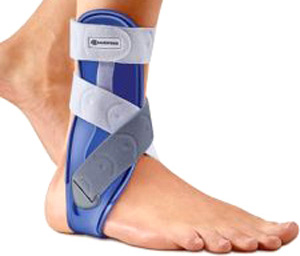
What is said to be the most common sport injury? Which of the many different sports injuries is most likely to recur? Answer: Ankle injuries.
Is there anything you can do to reduce the pain, improve the function and prevent recurrence of a sprained ankle or should you just tell your patient to let the natural recovery process take its course?
This two part course provides valuable answers to these important questions.
load more
3 CEUs
What is said to be the most common sport injury? Which of the many different sports injuries is most likely to recur? Answer: Ankle injuries.
Is there anything you can do to reduce the pain, improve the function and prevent recurrence of a sprained ankle or should you just tell your patient to let the natural recovery process take its course?
This two part course provides valuable answers to these important questions.
load more

3 CEUs
Did you know that ankle injury is arguably the most common sport injury? And did you know that a sprained ankle also has a high frequency of recurrence?
Is there anything you can do to reduce the pain and improve the function of a sprained ankle or should you just tell your patient to let the natural recovery process take its course?
Two case studies described in this on-line course demonstrate approaches that provide rapid and significant improvement and provoke some interesting food for thought.
load more
3 CEUs
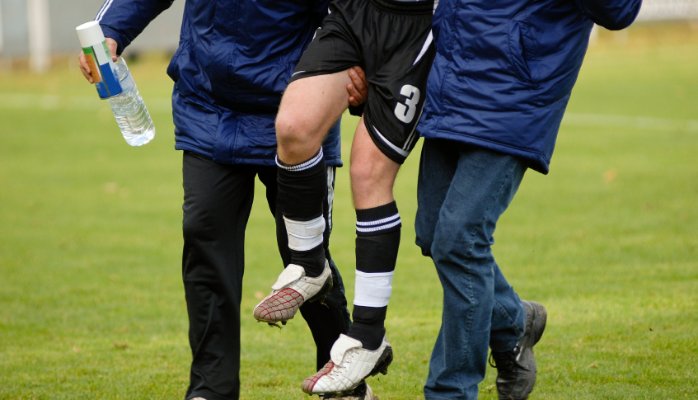
The science of sports injury prevention has grown exponentially over the past two decades. We know that interventions can prevent major knee, ankle and other injuries. This course will help you to help your sports clients to reduce the risk of injury. You will gain a thorough understanding of how sports injuries occur.
Then you will gain in-depth knowledge of the factors that can reduce the risk of injury, warm-up, stretching, taping and bracing, equipment, surfaces, training, envelope of function and the central governor model for the limit of performance and their appropriate use.
load more