
* All courses accredited by an appropriate accrediting academic institution and or statutory authority for the relevant profession
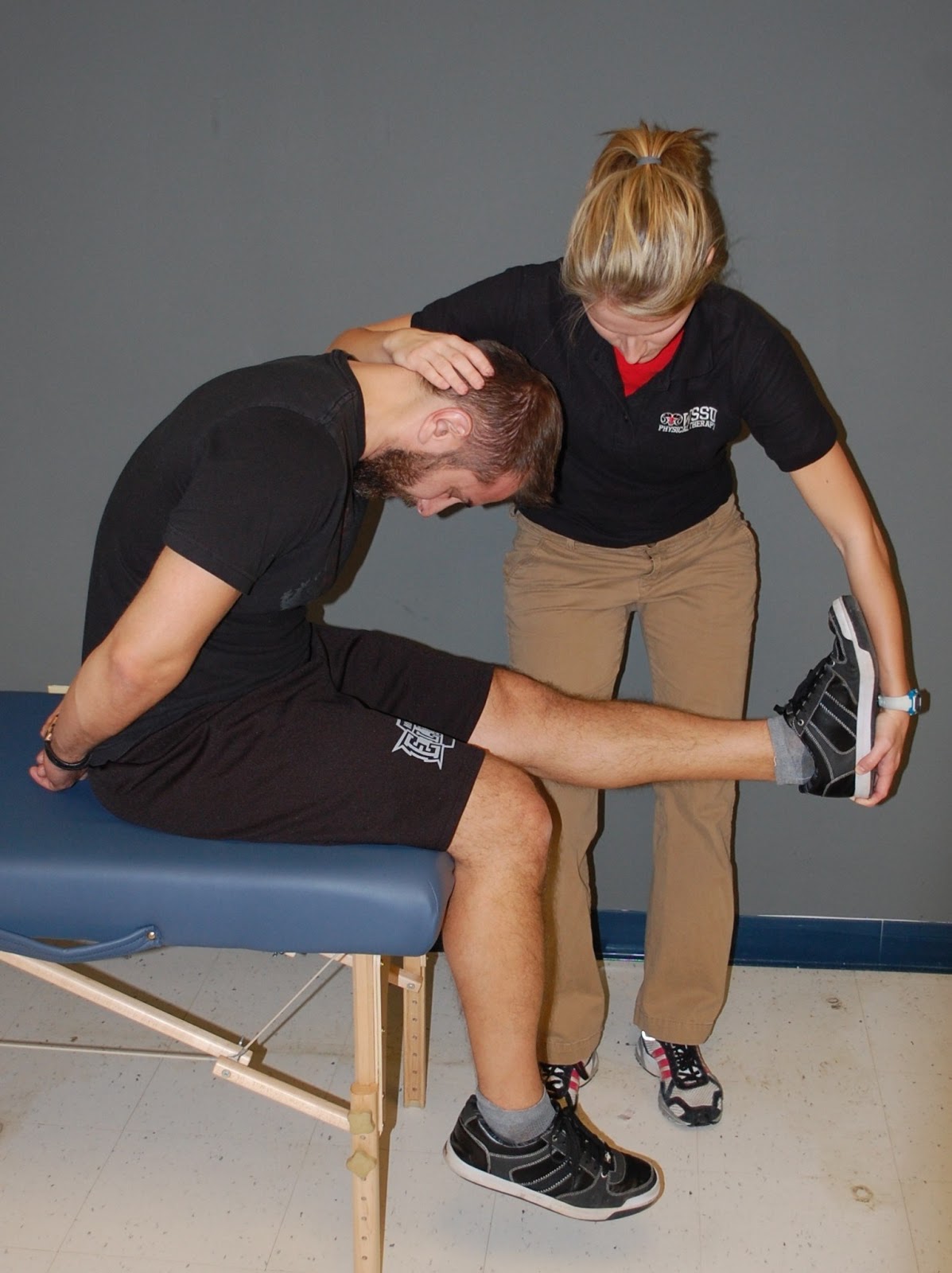
Do you understand neural tension?
How can you harness your soft-tissue skill set, applying it to resolve neural tension?
Often by the time you see a client, they’re well on their way to neural dysfunction. Why not intervene much sooner and eliminate neural tension before it arrives in this state?
“For the nervous system to move normally, it must successfully execute three primary mechanical functions; withstand tension, slide in its container, and be compressible.” Shacklock 2006
In this two day intensive course we will offer to you the concepts and applications for base neurodynamic tests. These include Brachial Plexus, Upper Limb Neurodynamic Tests for Median, Radial & Ulnar pathways (biases).
Spine and Lower Peripheral Pathways: Slump, Straight Leg Raise, tibial and Peroneal Neurodynamic Tests (Tension Tests).
We will learn how to differentiate muscular tension from neural tension along ALL neural pathways, demonstrating basic technique to relax the nerve simply which will change muscular tension dramatically
Join me in upgrading your skill set and learn that once you understand how to strategically intervene, you can release nerves with very little effort, your outcomes will soar! Thanks, Steve Goldstein.
Synopsis of Two Day Neurofascial Mobilisation Course for Peripheral Neural Pathways NFM presented by FTIA Fascial Therapy Institute Australia
Upper Extremity
Median Nerve & Brachial Plexus UE1Upper Extremity Radial Nerve and Ulnar Nerve UE2
Information: Underpinning Theory
Neurodynamic Biomechanics
Neural Anatomy: Tunnels & Beds
Mechanical Interface, Mechanical Function of Neural Motion, Gliding
Neural Palpation and Neural Identification
Barral: Mechanical Function Tests
Fascial Perspective
Autonomic Influences
Preparation for Neural Applications
Lines of Myofascial Tension
Arm Lines
Mechano-sensory Receptor Applications
Receptor Enhancement for Thoracic Spine
Brachial Plexus
Neurodynamic tension testing to benchmark change to neural bias.
Median, Radial, Ulnar, Application of Neural Technique to key junctions throughout bias
‘Flossing’
Continuation of Day One Material
Lower Extremity: Sciatic Pathway
Sacral Plexus: Sciatic Nerve, Tibial Nerve, Peroneal Nerve & Plantar Nerves
Lumbar Plexus: Femoral Nerve, Obturator Nerve, Lateral Cutaneous Femoral Nerve
With the second day we will explore and utilise the base neurodynamic tests of the Slump and Straight Leg Raise SLR, and benchmark neural tension versus muscular tension. Adaptive technique to relax spinal joints through Receptor Enhancement: Modified MET utilising 10% or less patient effort through primary spinal motion patterns.
Application of technique for the following neural pathways:
Spinal Cord
Sciatic nerve
Tibial nerve
Peroneal nerve
Medial Plantar nerve
Lateral Plantar nerve
Femoral nerve
Obturator nerve
“Steven’s enthusiasm and passion for his work are wonderful + inspiring. He never made me feel stupid or inadequate when I didn’t quite “get it”. Thanks for opening new horizons further.” Sue White
“Excellent course, thank you Steven.” Pedro van der Merwe
“Great notes, great teacher, explanations very comprehensive. I liked that he never criticized anyone. Steven Goldstein takes information and material from many authors, educators and sources and combines them to create teachings that are practicle and applicable to every physio who is hands on! At least I could leave this course being able to apply all the techniques in my practice!” Rox Ashkar
“What an excellent, energetic, motivated lecturer!” Riana von Berg
“Entertaining lecturer, a course where you just need to go with the flow!” Cheryl Stacey